
Acacia verniciflua
Acacia verniciflua A. Cunn.
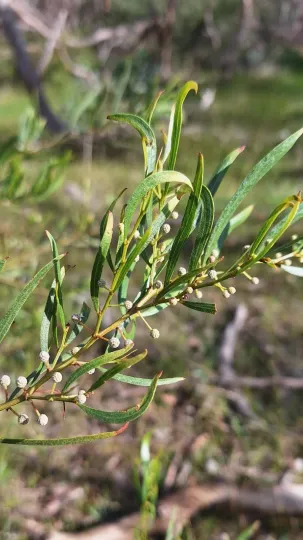
Description
Sowing dates
Acacia verniciflua, commonly known as the varnish wattle, is typically propagated from seed. Given the hardness of the seed coat, scarification or hot water treatment is essential to ensure uniform germination.
Seeds should be sown in spring using a well-draining, sterile potting mix. Keeping the seed trays in a warm, bright location will significantly improve the success rate of the young seedlings.
Once the seedlings develop at least two pairs of true leaves, they can be transplanted into larger pots to encourage deeper root growth before moving to an open field.
Hardening off the plants is a crucial step before final transplantation to ensure they can withstand ambient temperatures and wind conditions in the outdoor environment.
Regular monitoring of moisture levels in the initial weeks after sowing is vital, although established plants require significantly less intervention.
Growing requirements
Belonging to the Fabaceae family, this species is native to Australia. It is highly valued for its sticky, shiny foliage and its ability to thrive in poor, rocky, or sandy soil conditions.
The plant requires full sun exposure to flourish and develop its characteristic form. It is remarkably drought-tolerant, making it an excellent candidate for xeriscaping and soil stabilization.
Acacia verniciflua performs best in soils with excellent drainage, as the species is susceptible to root rot if the roots are submerged in standing water for extended periods.
As a legume, the plant forms a symbiotic relationship with nitrogen-fixing bacteria, which allows it to thrive in nutrient-deficient soils without the need for intensive fertilization.
Climate-wise, it prefers mild to warm conditions. While it can withstand light frosts, extremely cold climates may require protective measures to prevent tissue damage.
Main diseases and pests
Pathogenic fungi, particularly those causing root decay, are the primary biological threat. Maintaining proper soil structure and avoiding over-irrigation are the most effective preventative measures.
Insect pests such as leaf-eating caterpillars and sap-sucking insects like aphids may occasionally infest the foliage, especially during periods of stress.
Powdery mildew can occur in environments with poor air circulation or high humidity, highlighting the importance of proper spacing during plantation establishment.
Regular sanitation of the area, including the removal of dead wood and debris, helps minimize the presence of potential vectors for disease and pests.
Integrated pest management strategies are recommended, focusing on the use of natural predators and minimal chemical intervention to maintain the ecological balance.