
Three-flowered abelia
Abelia triflora R. Br.
Description
Growing requirements
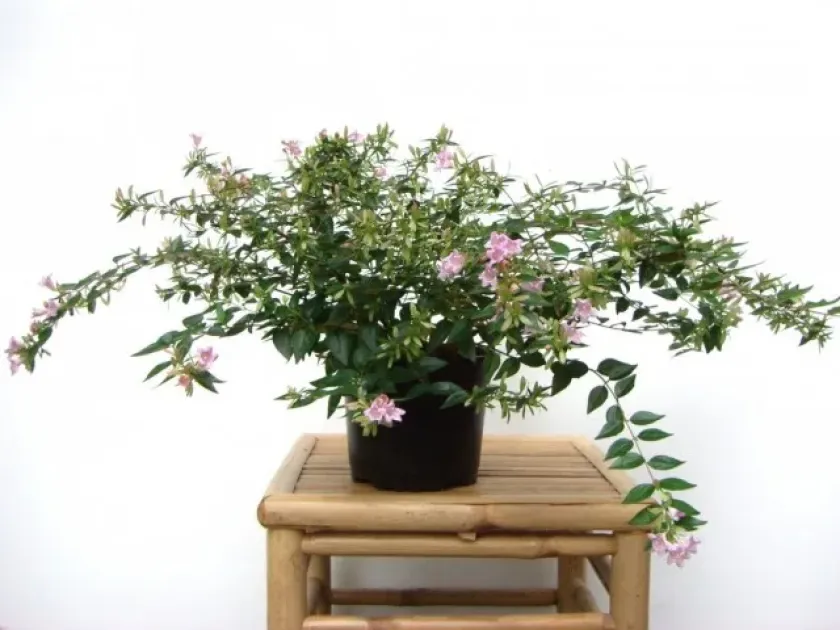
The three-flowered abelia (Abelia triflora) is a deciduous or semi-evergreen shrub belonging to the Caprifoliaceae family. Native to the Himalayan region, it is highly valued in horticulture for its elegant growth habit and fragrant flowers.
This species thrives in temperate climates and requires a site with full sun to light shade. To achieve optimal flowering, it is essential to protect the plant from harsh, drying winds, which can damage the delicate foliage and blossoms.
Soil requirements include a well-draining, nutrient-rich substrate with a slightly acidic to neutral pH level. If your garden has heavy clay soil, adding organic matter and coarse sand during the planting process is necessary to ensure proper water drainage.
Consistent moisture is key during the establishment phase, but once mature, the plant shows moderate drought tolerance. However, regular irrigation during dry summer periods will maintain vigorous growth and produce more prolific blooms.
Maintenance pruning is essential to keep the shrub in shape. It is best to prune immediately after flowering by removing dead wood and thinning out overgrown stems to improve air circulation within the shrub canopy.
Main diseases and pests
The three-flowered abelia is generally robust, but it can be susceptible to aphids and spider mites, particularly if the plant is stressed by extreme heat or prolonged drought.
Fungal issues like powdery mildew can affect the foliage during periods of high humidity and poor ventilation; maintaining proper spacing between plants helps significantly in preventing these common threats.