
Glossy Abelia
Abelia xgrandiflora x Abelia parvifolia
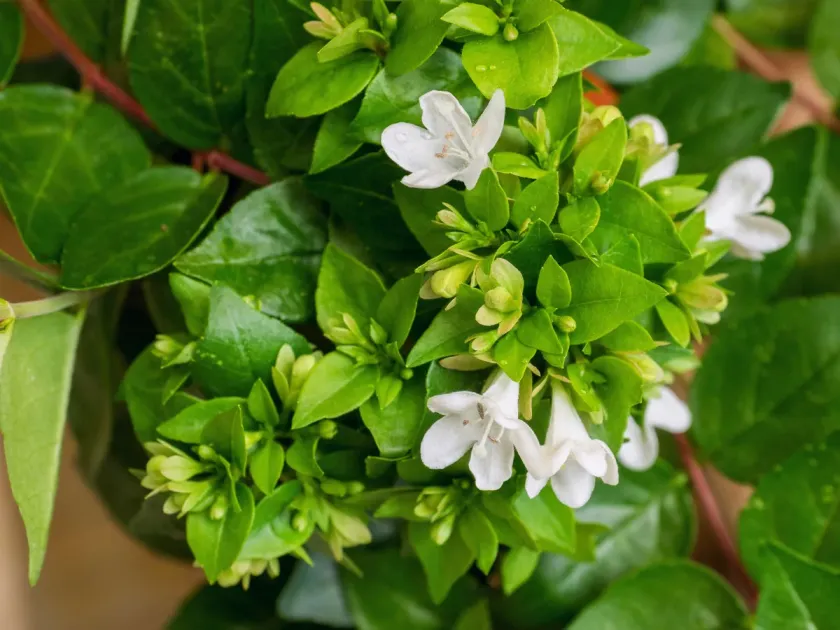
Description
Growing requirements
Glossy Abelia (Abelia x grandiflora) is a popular hybrid ornamental shrub belonging to the Caprifoliaceae family. Known for its arching branches and fragrant, tubular flowers, it serves as an excellent structural plant in many temperate garden designs.
The plant thrives in full sun to partial shade, requiring at least six hours of sunlight to produce maximum blooms. It performs best in fertile, well-draining soils with a slightly acidic profile, which promotes vibrant foliage and healthy growth cycles throughout the year.
Adequate irrigation is essential during the establishment phase, though mature specimens demonstrate moderate drought tolerance. Mulching with organic matter around the base helps maintain soil temperature and moisture levels, protecting the shallow root system from extreme heat.
Climatically, Glossy Abelia is best suited for USDA zones 6 through 9. In colder regions, providing winter protection or planting in movable containers is highly recommended to prevent frost damage to the evergreen foliage and delicate woody stems.
Routine pruning is vital to keep the plant in shape and encourage vigorous blooming. Gardeners should prune after the primary flowering period, removing old or thin growth to rejuvenate the shrub and ensure a compact, well-structured habit for the next season.
Main diseases and pests
Aphids are the most frequent insect pests, often attacking new growth during the spring. Controlling them usually involves a gentle blast of water or the application of insecticidal soaps, which effectively eliminate colonies without harming the environment.
Spider mites can become a nuisance during hot and dry spells, manifesting as fine webbing on the leaves. Increasing humidity around the plant and utilizing specific acaricides are common methods to keep infestation levels under control throughout the growing season.
Powdery mildew is the most common fungal disease, typically occurring due to poor air circulation. Implementing proper plant spacing and ensuring the foliage dries out quickly after rain are the primary defensive strategies against this white, powdery growth.
Chlorosis may occur if the soil pH becomes too high, making it difficult for the plant to absorb iron. Adding chelated iron or acidic amendments to the soil can correct this condition and restore the natural, glossy green color of the leaves.
Root rot, driven by waterlogged soil, is a critical threat that can kill the plant quickly. Ensuring a high-quality drainage system in the planting hole is the most important preventive measure to maintain the health and longevity of an Abelia shrub.