
Abelia engleriana
Abelia engleriana (Graebn.) Rehder
Description
Growing requirements
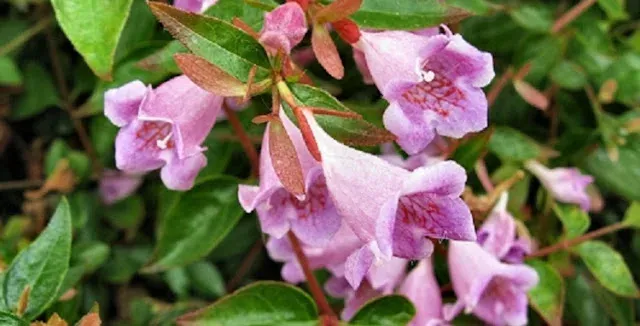
Abelia engleriana is an attractive deciduous shrub belonging to the Caprifoliaceae family, native to the mountain regions of China. This plant is highly regarded for its bell-shaped flowers and graceful, arching branches that add texture to the garden.
The cultural requirements demand well-drained, fertile soil that remains moist but not waterlogged. It thrives in slightly acidic to neutral soil conditions, and the incorporation of organic compost is recommended during the planting stage to boost nutrients.
Climate considerations are essential, as this species prefers mild temperate zones. In regions with harsh winters, providing winter protection for the root zone is crucial to ensure the plant survives and thrives in the following spring season.
Regarding light, the shrub performs best in locations with partial shade or filtered sunlight. While it can tolerate some exposure to the sun, afternoon shade is highly beneficial to prevent leaf scorch during peak summer temperatures.
In terms of maintenance, regular pruning after the flowering phase helps maintain the desired shape and encourages dense branching. It is a versatile choice for foundation plantings, hedges, or as a focal point in specialized shrub borders.
Main diseases and pests
Common plant threats include powdery mildew, which often develops in stagnant air conditions or high humidity environments. Improving air circulation around the canopy is a primary preventative measure to mitigate this fungal issue.
Pests such as aphids and spider mites can attack the new growth, causing leaf curling and general plant decline. Periodic monitoring and the use of targeted acaricides or insecticides are standard practices for healthy plant management.
Root rot is a significant risk if the soil lacks proper drainage or if the plant is overwatered. Ensuring a healthy soil structure and avoiding mulch contact directly with the stems are important cultural steps to prevent disease.
Nutritional deficiencies, specifically chlorosis, can occur if the pH level is too high, leading to yellowing of the leaves. Applying iron chelate or specific soil amendments can restore the vibrant color of the foliage.
General hygiene, such as removing fallen leaves and dead wood, significantly reduces the overwintering capacity of pests and pathogens. Keeping the base of the shrub clean and clear of weeds helps maintain plant vigor throughout the growing season.