
Abelia floribunda
Abelia floribunda (M. Martens & Galeotti) Decne.
Description
Growing requirements
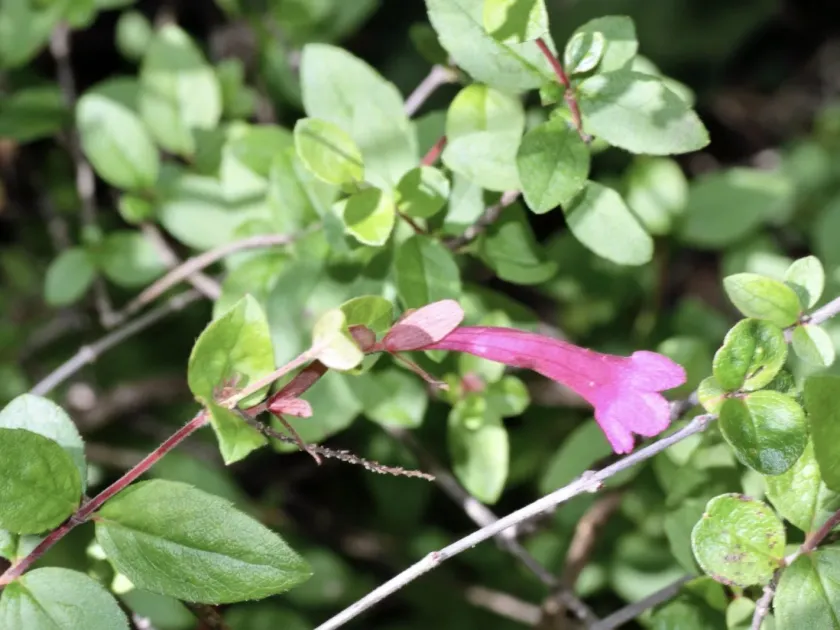
Abelia floribunda is a beautiful ornamental shrub belonging to the Caprifoliaceae family. Native to the mountainous regions of Mexico, this species is highly valued in horticulture for its long-lasting, tubular, rosy-purple flowers that bloom throughout the growing season.
The plant thrives in positions with full sun to light partial shade. It requires a sheltered location, as it is not fully hardy in colder climates. In temperate regions, it is frequently grown in containers, allowing for protection during harsh winter months.
Soil requirements are centered on excellent drainage and fertility. A loamy, slightly acidic to neutral substrate is ideal. Avoiding heavy, waterlogged clay soils is essential to prevent root rot and promote healthy root development throughout the plant's life cycle.
Watering should be consistent during the active growth period, allowing the soil to slightly dry out between sessions. Regular feeding with a balanced liquid fertilizer during the spring and early summer will support vigorous growth and abundant floral production.
Pruning is a vital maintenance step for Abelia floribunda. It should be performed immediately after the flowering period concludes. By removing old wood and shaping the canopy, gardeners can encourage denser branching and a more aesthetically pleasing form for the following year.
Main diseases and pests
While generally robust, this shrub can be susceptible to pests such as aphids and spider mites, which often target tender new foliage. Early detection and the use of insecticidal soaps are recommended for control.
Fungal issues like powdery mildew may occur in environments with poor air circulation or high humidity levels. Maintaining proper plant spacing and ensuring good airflow are the best preventative measures against these pathogens.