
Chinese abelia
Abelia chinensis R. Br.
Description
Growing requirements
Chinese abelia (Abelia chinensis) is a charming shrub species belonging to the Caprifoliaceae family. It is widely recognized for its elegant arching branches and glossy foliage, making it a popular choice for ornamental hedges and garden borders.
The plant originates from China and typically thrives in warm-temperate climates. It prefers locations that receive ample sunlight throughout the day, although it can tolerate partial shade in areas with exceptionally hot summers to prevent leaf scorch.
Regarding soil requirements, this species demands well-draining, humus-rich soil. It is sensitive to waterlogged conditions, so it is essential to ensure that the site has excellent drainage capabilities, or to incorporate organic matter to improve soil texture.
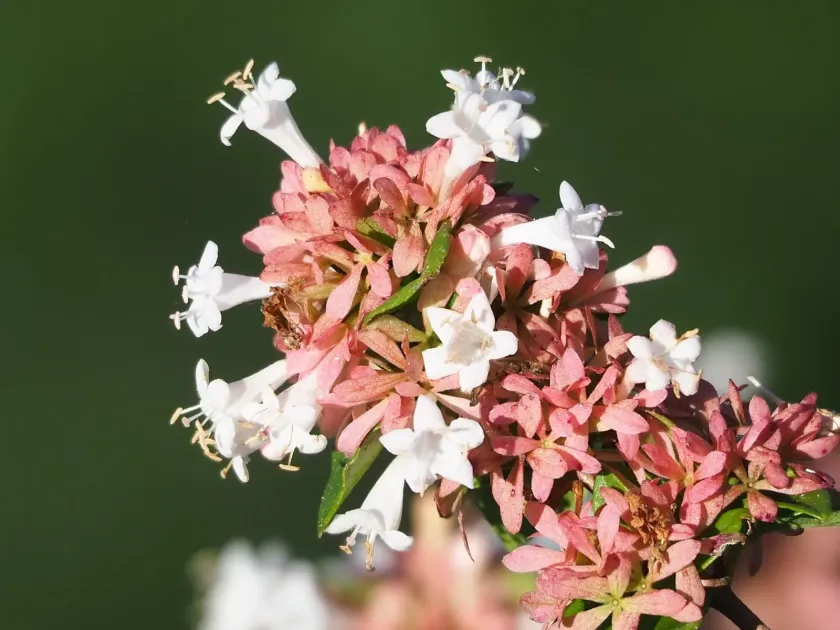
The plant displays a long flowering period, producing fragrant, white, trumpet-shaped flowers from late summer until the onset of autumn. These blooms are highly attractive to bees and butterflies, contributing to garden biodiversity.
Standard horticultural practices for Abelia chinensis include regular light pruning to maintain its natural shape and encourage denser growth. As it is not fully winter-hardy, in cooler regions, it should be placed in a sheltered spot or provided with protective winter covering.
Main diseases and pests
The primary pests affecting Chinese abelia are aphids, which tend to cluster on tender new growth. Infestations can be managed by applying insecticidal soaps or neem oil, ensuring that the entire plant surface is covered during treatment.
Spider mites are another common threat, especially in hot and dry environments. Regular overhead misting and keeping the shrub well-hydrated can help deter these pests, though chemical intervention may be necessary for severe outbreaks.
Fungal diseases like powdery mildew may occur when humidity is high and airflow is restricted. To minimize risk, plant the shrubs with adequate spacing to promote ventilation and reduce moisture build-up on the leaves.
Root rot is often the result of poor soil drainage. If the leaves start to yellow and drop prematurely, it is a significant sign to check the soil moisture levels and ensure the root zone is not sitting in stagnant water.
Nutritional deficiencies, specifically magnesium or iron, may cause chlorosis. Maintaining the correct soil pH and applying balanced, slow-release fertilizers can effectively prevent these issues and support robust development of the plant.