
Dwarf eelgrass
Zostera noltii
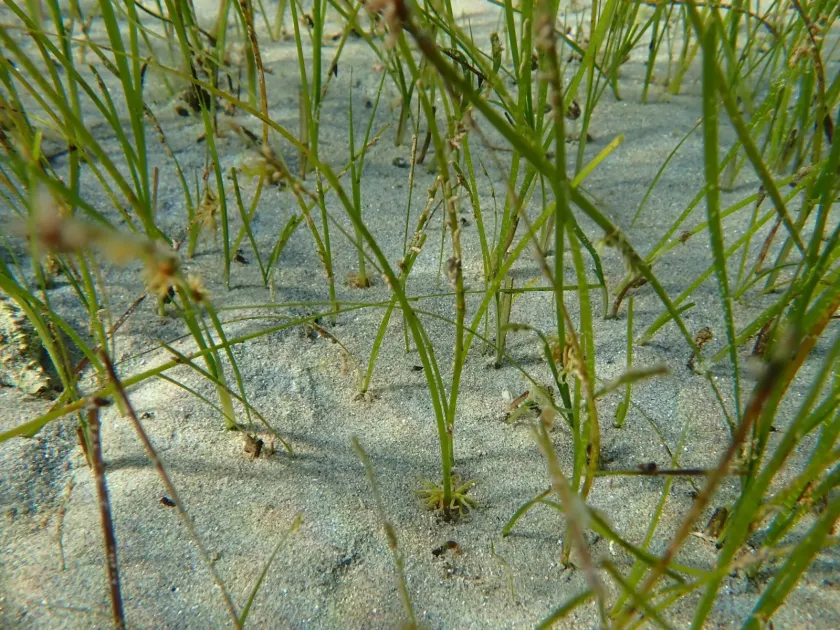
Description
Growing requirements
Dwarf eelgrass (Zostera noltii) is a perennial marine angiosperm species within the Zosteraceae family. It is a key structural species in shallow coastal waters, tidal flats, and estuaries, forming extensive meadows that provide vital habitats.
The plant possesses a rhizomatous growth habit, which allows it to stabilize soft sediment substrates such as sand and silt. This structural role is critical for preventing coastal erosion and enhancing the clarity of surrounding waters.
Environmental requirements for Zostera noltii are highly specific: it thrives in areas with sufficient solar radiation to support photosynthesis at the seabed level. Water depth is generally limited to the intertidal zone and shallow subtidal zones.
The species demonstrates a remarkable ability to survive fluctuations in salinity, which is a common occurrence in estuary-based ecosystems. It requires stable water temperatures during the growing season to ensure robust rhizome expansion.
In terms of management, protecting these meadows from boat propeller scarring and coastal construction is essential. The plant serves as a carbon sink and a biological nursery, highlighting the need for conservation in marine agriculture and environmental planning.
Main diseases and pests
Eutrophication is one of the most significant threats, as nutrient loading from land runoff encourages the growth of epiphytic algae that smother eelgrass leaves and block necessary sunlight.
Pathogenic infections, particularly those caused by opportunistic fungi or protists, can lead to widespread wasting disease, especially during periods of unseasonable water temperature spikes.
Physical disturbances represent a major risk; dredging, trawl fishing, and infrastructure development directly uproot the rhizome mat, making natural recolonization a long and difficult process.
Pests such as excessive densities of gastropods or certain sea urchins can overgraze the seagrass, reducing the density of the meadows and negatively impacting local biodiversity.
Climate change effects, including sea-level rise and increasing water turbidity, pose a long-term risk by shifting the depth ranges and reducing the metabolic fitness of existing populations.