
Zostera capricorni
Zostera capricorni
Description
Growing requirements
Zostera capricorni, commonly known as grey seagrass, is a perennial flowering plant belonging to the Zosteraceae family. It is a vital seagrass species that occupies shallow marine environments, primarily within the coastal waters of Australia and the Pacific region.
The plant thrives in sheltered coastal habitats, including estuaries and protected bays, where it develops extensive seagrass meadows. These underwater ecosystems serve as significant carbon sinks and provide essential habitats for various marine organisms, including fish and crustaceans.
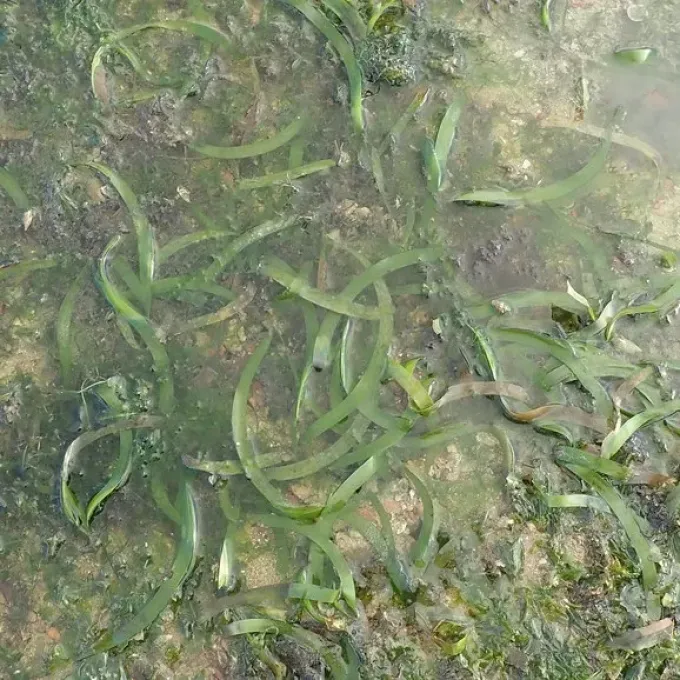
Botanically, Zostera capricorni is characterized by its rhizomatous growth, which allows it to spread vegetatively and stabilize bottom sediments. The leaves are narrow and ribbon-like, adapted to withstand the constant movement of currents and tidal water exchanges.
The species requires clear water to receive sufficient light for photosynthesis, which is its primary limiting factor. Substrate composition, typically silty or sandy sediment, is crucial for anchoring the rhizomes and providing necessary nutrients.
Environmental conditions such as salinity, water temperature, and nutrient levels must be within the specific range of the subtropical climate to ensure the health of the population. Rapid changes in these factors can lead to a decline in coverage area.
Main diseases and pests
The main threats to Zostera capricorni involve human-induced stressors, such as nutrient runoff leading to eutrophication. Increased nutrient levels stimulate the growth of epiphytic algae, which shade the seagrass and deprive it of sunlight.
Pathogenic organisms, including various fungi and slime molds, can cause significant die-back during periods of thermal stress or poor water quality. These infections often spread rapidly through dense meadows, causing large-scale damage.
Physical destruction from boat propellers, anchors, and coastal dredging operations remains a critical threat. These activities damage the delicate rhizome network, preventing the plant from recovering naturally over long periods.
Pests like sea urchins and certain snails can overgraze the seagrass, especially when predator populations are out of balance. This grazing pressure can prevent the maturation of seedlings and reduce the density of the meadow.
Global climate change poses a long-term risk to the resilience of seagrass meadows. Rising sea levels and increased frequency of extreme weather events disrupt the stability of coastal environments, forcing the species to adapt or face habitat loss.