
Zelkova verschaffeltii
Zelkova verschaffeltii
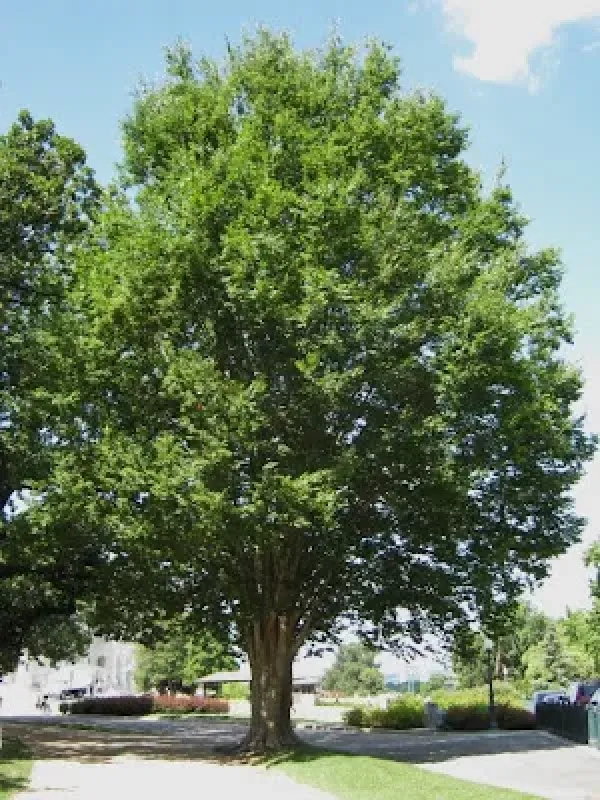
Description
Growing requirements
Zelkova verschaffeltii is a deciduous tree belonging to the Ulmaceae family. It is highly valued in horticulture for its distinct, finely serrated leaf margins and beautiful spreading habit.
The species originates from the Caucasus region. It thrives in temperate climates and is often used as a specimen tree in parks due to its structural elegance and seasonal color changes.
This tree requires a sunny location to develop its characteristic shape. While it can tolerate partial shade, full sun exposure is ideal for promoting vigorous growth and maintaining foliage density.
Well-drained, fertile soil with a neutral to slightly acidic pH is optimal for Zelkova verschaffeltii. The soil must provide sufficient nutrients while ensuring that water does not stagnate around the roots.
Proper maintenance includes regular mulching of the base to retain soil moisture during summer. In the first few years after planting, the tree requires consistent watering to establish a strong root system.
Main diseases and pests
Common plant health issues include fungal infections that manifest as leaf spots or bark lesions, often triggered by prolonged damp conditions and poor ventilation.
Pests such as aphids and spider mites may infest the foliage during hot, dry spells, necessitating regular monitoring and appropriate horticultural oil applications if outbreaks occur.
Winter injury can be a threat to young specimens in colder climates, so protection of the root zone and trunk is recommended until the tree is fully matured.
Effective management of diseases relies on sanitation, which involves removing and disposing of diseased branches or fallen leaves that harbor overwintering spores.
Integrating cultural practices like thinning the crown allows for better air circulation, which significantly reduces the humidity-related risks that favor pathogen development.