
Schneider's zelkova
Zelkova schneideriana
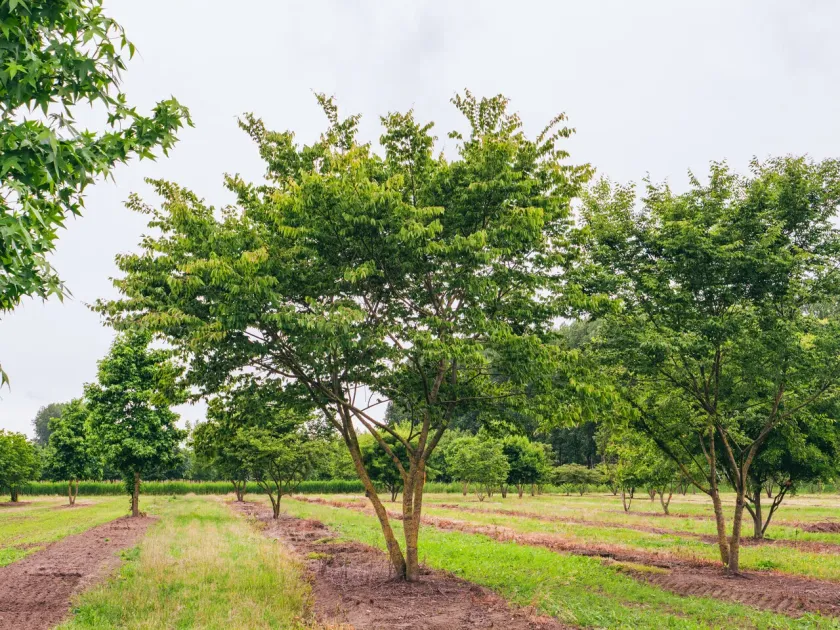
Description
Growing requirements
Schneider's Zelkova (Zelkova schneideriana) is a deciduous tree belonging to the Ulmaceae family. It is recognized for its unique structural beauty, making it a valuable subject for botanical gardens and landscape restoration projects.
The species is native to central and eastern China. It typically grows in temperate deciduous forests where it thrives under favorable moisture regimes. Its ability to adapt to diverse ecological niches makes it an interesting subject for study in silviculture.
Optimal growth requires well-drained, nutrient-rich soils. The tree performs best in loamy substrates that provide sufficient aeration for the root system. Waterlogging is detrimental and must be avoided to ensure long-term health.
The tree prefers a sunny or partially shaded location. Adequate space is essential for the development of its characteristic broad, spreading crown. When planted in groups, spacing should be carefully managed to prevent competition for light and nutrients.
Regular maintenance involves checking soil moisture levels and ensuring the application of organic matter. A layer of mulch around the base of the tree helps regulate soil temperature and moisture, supporting healthy growth patterns.
Main diseases and pests
Like many members of the elm family, Zelkova schneideriana can be susceptible to Dutch Elm Disease. Although some species show better resistance than others, continuous surveillance of the crown is required to detect early wilting.
Various defoliating insects can affect the tree's health during the spring. Monitoring for the presence of aphids and beetles is a standard practice in managed landscapes to prevent significant loss of foliage.
Fungal pathogens causing leaf spots may occur in environments with poor air circulation. Improving airflow through strategic pruning helps to maintain a dry and healthy canopy environment for the tree.
Root system health is paramount; therefore, avoiding mechanical damage during soil cultivation around the tree is crucial. Damage to the root collar can lead to decay and eventually compromise the structural integrity of the plant.
Environmental stress, such as extreme heat or drought, can weaken the tree's natural defense mechanisms. Providing supplemental watering during dry spells significantly improves the tree's resistance to pest and disease outbreaks.