
Chinese zelkova
Zelkova sinica
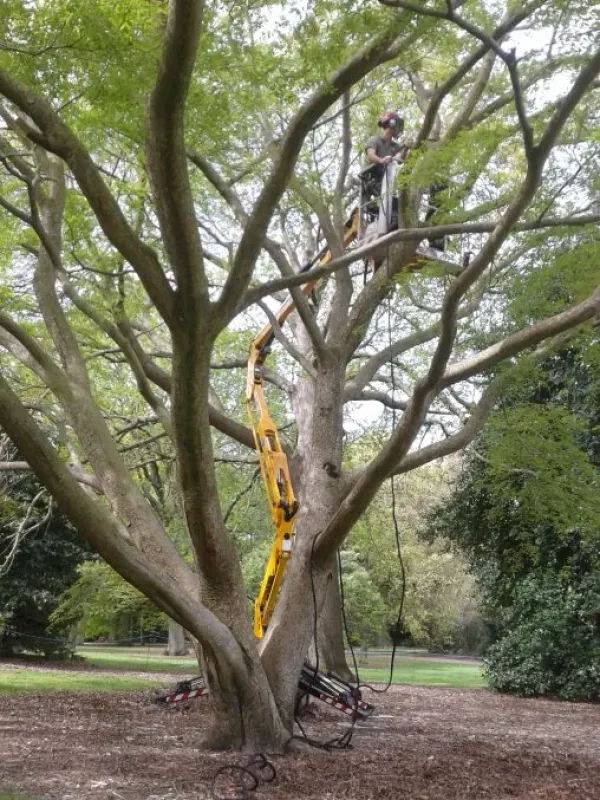
Description
Growing requirements
Chinese Zelkova (Zelkova sinica) belongs to the Ulmaceae family. This deciduous tree is recognized for its elegant, spreading crown and exfoliating bark, which peels away to reveal mottled layers of orange and brown, adding significant aesthetic value.
Native to Central and Eastern China, the tree thrives in temperate and subtropical forest regions. Its natural adaptability makes it a resilient species suitable for cultivation in various temperate zones across the globe, provided environmental conditions are stable.
This species requires deep, fertile, and well-drained soils to reach its full potential. While it can tolerate a range of soil types, it performs best in soils with high organic content and neutral to slightly acidic pH levels, ensuring vigorous root development.
Zelkova sinica is a light-demanding tree that prefers full sun exposure to maintain a balanced crown shape. While young trees benefit from partial shade to protect them from intense heat, mature specimens are highly tolerant of sunlight and minor dry spells.
Proper silvicultural practices involve initial training of the tree to develop a single, strong central leader. Regular pruning is necessary to prevent weak crotch angles and to maintain the characteristic structural beauty of the canopy as it matures.
Yield
The primary use of Chinese Zelkova lies in urban landscaping and large-scale park design. Its slow growth rate and high durability make it an excellent choice for long-term investments in public green spaces, street planting, and private garden landscapes.
The wood of Zelkova sinica is highly valued for its exceptional strength, hardness, and durability against decay. It is frequently compared to oak and is used in fine woodworking, furniture manufacturing, and traditional construction in its native range.
In addition to its timber value, the tree acts as a vital component for carbon sequestration and soil stabilization. Its extensive root system helps prevent erosion on slopes, making it a functional choice for reforestation projects in susceptible terrain.
Propagation is typically achieved through seeds, which require a period of cold stratification to break dormancy. Once established in a nursery, saplings must be watered consistently to ensure a robust foundation before they are transplanted to their permanent site.
As an ornamental crop, its autumn foliage color, which ranges from yellow to deep copper, provides high visual impact. This seasonal transition increases the tree's demand among nursery growers catering to residential landscape design markets.
Main diseases and pests
The most significant threat to Chinese Zelkova is Dutch Elm Disease, which is caused by a fungus that disrupts water transport in the tree. Although Zelkova species show some resistance, monitoring for signs of wilt and dieback is essential for health management.
Pests such as aphids and leaf-eating beetles can cause temporary damage to the foliage, especially in humid conditions. Integrated Pest Management (IPM) strategies should be implemented to address infestations without negatively impacting the surrounding ecosystem.
Environmental stress, particularly sudden freeze-thaw cycles during early spring, can lead to bark splitting. This physical damage weakens the tree's natural defenses, making it more susceptible to opportunistic pathogens and secondary infestations.
Poor drainage is a common root-zone threat that can lead to root rot. Ensuring the site has proper permeability or installing artificial drainage systems in clay-heavy soils can mitigate this risk significantly throughout the tree's lifespan.
Regular sanitation of the canopy is vital. Removing dead, diseased, or damaged branches helps maintain optimal airflow, reduces the humidity levels within the crown, and minimizes the overall risk of fungal spore spread during wet seasons.