
Caucasian Zelkova
Zelkova carpinifolia
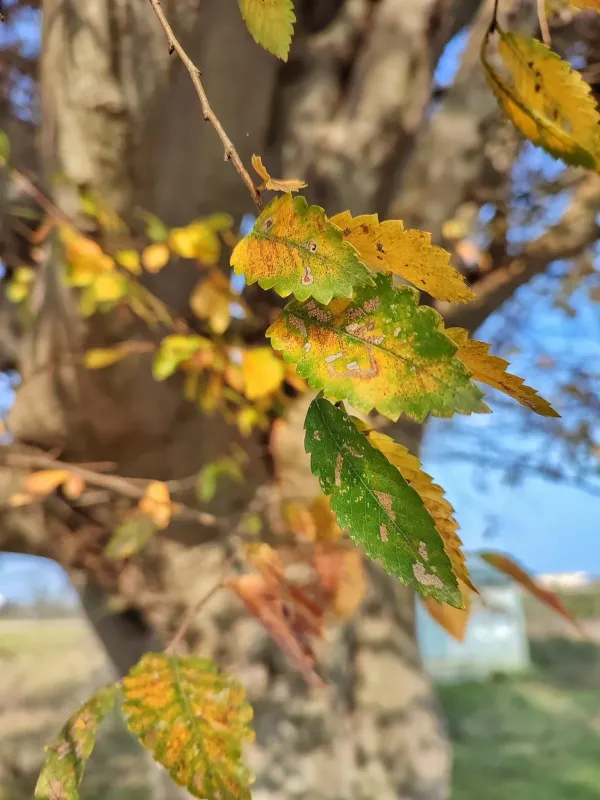
Description
Growing requirements
Caucasian Zelkova (Zelkova carpinifolia) is a member of the Ulmaceae family. This relic tree species is primarily native to the Caucasus region and northern Iran, where it typically inhabits humid, broad-leaved forest zones.
The tree thrives in moist, deep, and nutrient-rich soils. Its agricultural success depends on maintaining adequate soil moisture, as the species is highly sensitive to drought conditions, especially in its juvenile stages of development.
It requires a mild temperate climate to reach its full potential. While it exhibits moderate frost resistance, planting the tree in sheltered locations protected from harsh, cold winds is strongly recommended for optimal growth and foliage preservation.
One of the species' most notable biological traits is its shade tolerance. It performs well in woodland settings, making it an excellent choice for understory planting or dense landscape designs where light exposure is inconsistent.
Proper cultivation management involves regular mulch application around the root zone to conserve soil moisture and suppress weed growth. Pruning should be carried out during the dormant season to maintain structural integrity and remove damaged branches.
Main diseases and pests
The primary concern for the health of Zelkova carpinifolia is Dutch Elm Disease, caused by fungal pathogens. While the species shows some resistance compared to other elms, it remains susceptible, requiring consistent monitoring and sanitation.
Bark beetles and wood-boring insects pose a significant threat, particularly to stressed or poorly maintained specimens. Removal of dead wood and maintaining high tree vigor are essential strategies to deter infestations.
Leaf-feeding beetles and spider mites may cause damage during prolonged hot and dry spells. Integrated pest management, focusing on biological controls and proper irrigation, helps keep these pest populations at acceptable levels.
Mechanical injuries to the trunk must be avoided, as these provide entry points for pathogens and wood-decay fungi. If injury occurs, clean the wound and apply appropriate wound dressing or antifungal treatments to prevent further spread.
Environmental stress from soil compaction or nutrient deficiency can severely weaken the tree's immune system. Regular soil testing and appropriate fertilization can significantly improve the tree's overall resilience against local disease pressures.