
Cretan Zelkova
Zelkova abelicea
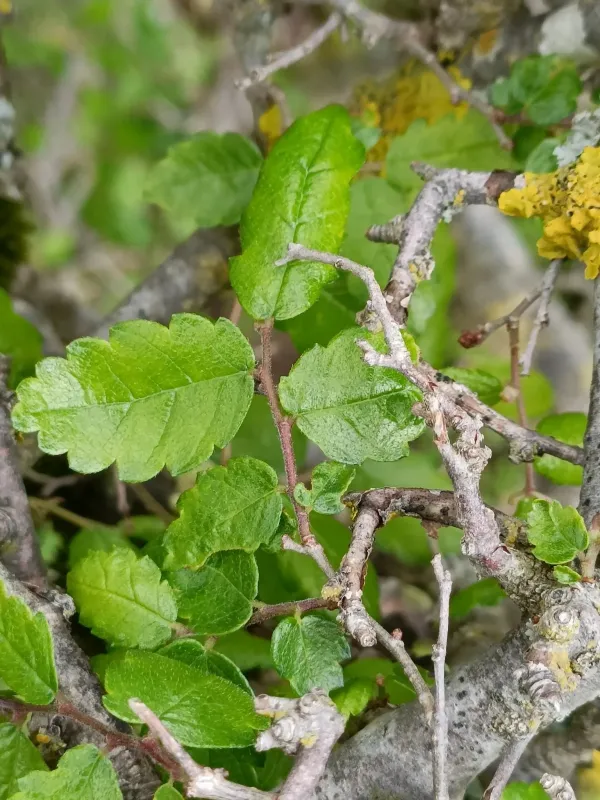
Description
Growing requirements
Cretan Zelkova (Zelkova abelicea) is a deciduous tree belonging to the Ulmaceae family. It is a rare species endemic to the mountains of Crete, Greece, holding significant botanical importance.
The tree typically grows at altitudes ranging from 800 to 1800 meters. It thrives on limestone-based soils and often occupies niches where soil moisture is relatively consistent throughout the year.
Cultivation requirements involve mimicking the cool, mountain climate of its native range. It prefers well-drained but fertile soil conditions and shows a moderate tolerance to windy environments.
Agrotechnical management focuses on protecting young seedlings. As growth is very slow in the juvenile stage, ensuring adequate protection from competition and browsing is essential for long-term success.
Historically, the wood was prized for its hardness and durability. However, because it is an endangered species, current management is strictly focused on conservation rather than commercial utilization.
Main diseases and pests
The primary threat to the survival of this species is overgrazing by goats and sheep, which browse on the foliage of young saplings, preventing natural forest regeneration.
Climate change poses a severe risk as well, particularly the increase in frequency and intensity of drought periods, which limits the survival rates of young trees during the summer months.
Pathogenic fungi can infect the trees through wounds caused by livestock or heavy machinery, leading to decay in the heartwood if not monitored closely.
Certain insect pests may cause localized damage to the canopy, but under natural conditions, these are usually balanced by the tree's internal defense mechanisms.
Effective conservation efforts require local cooperation to manage grazing pressure and protect sensitive areas, ensuring the future stability of these wild populations.