
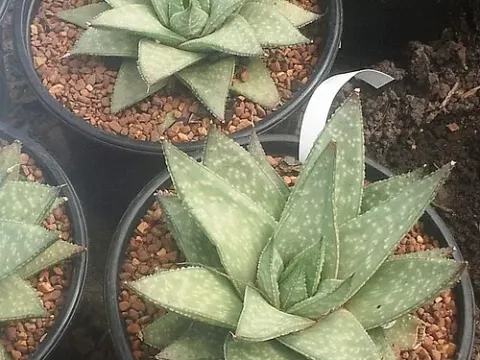
Aristeria
x Aristeria M. H. J. van der Meer
Aristeria is a specialized intergeneric hybrid within the Poaceae family, developed for specific agricultural outcomes. Successful cultivation begins with precise sowing practices tailored to the specific characteristics of this hybrid line.
What the section contains


Aristeria
The optimal planting window is in early spring once soil temperatures reach a stable range of +6°C to +10°C. This timing allows the plants to establish a robust root system before the onset of potential summer heat waves.
Seeds should be planted at a depth of 2–3 cm, ensuring they are placed in firm, moist soil. Excessive planting depth should be avoided as it can deplete the energy reserves of the seedling and lead to delayed germination.
Row spacing of 15–20 cm is generally recommended to balance plant density with adequate light penetration and airflow. This spacing minimizes competition among individual plants and facilitates better crop management throughout the season.
Post-seeding compaction is a standard operation to ensure the seeds have sufficient contact with the soil particles. This practice accelerates water absorption and promotes uniform emergence, which is vital for reaching target yields.
Aristeria thrives in moderate climatic conditions with a preference for well-drained, fertile soils. It performs best in loam or sandy-loam environments that offer high organic matter content and balanced nutrient availability.
Consistent soil moisture is crucial, especially during the vegetative growth and heading stages. While the plant shows some drought tolerance, prolonged water deficits can significantly decrease biomass and grain yield potential.
The crop responds positively to balanced fertilization regimes, particularly those emphasizing nitrogen during early growth and phosphorus for root and grain development. Soil testing is recommended to optimize nutrient application rates.
Temperature requirements for Aristeria focus on avoiding extreme conditions, especially during the reproductive phase. Protection from extreme cold in early spring and extreme heat during flowering is necessary for stability.
As a long-day plant, Aristeria requires adequate sunlight to reach maturity efficiently. Sites should be chosen to minimize shading, ensuring the crop receives maximum daily exposure to solar radiation.
Aristeria is susceptible to various fungal pathogens common to cereal grains, such as rusts, smuts, and powdery mildew. These diseases thrive under conditions of high humidity and poor field ventilation.
Pest threats include cereal leaf beetles, aphids, and various species of stem borers. These insects can damage the photosynthetic tissue or disrupt vascular transport, leading to stunted plant growth and reduced harvest quality.
Integrated Pest Management (IPM) is the most effective approach for protecting Aristeria. This includes monitoring populations, using economic thresholds for intervention, and prioritizing biological controls or selective chemical applications.
Effective weed control is essential not only for resource competition but also because many weeds act as alternative hosts for pests and viruses. Maintaining clean field borders and using pre-emergent herbicides can significantly mitigate these risks.
Crop rotation remains the most critical preventative measure against soil-borne pathogens. Avoiding continuous planting of cereal crops in the same field helps break the life cycles of specialized pests and soil-borne diseases.