
Aristeria beguinii
x Aristeria beguinii (Radl) M. H. J. van der Meer
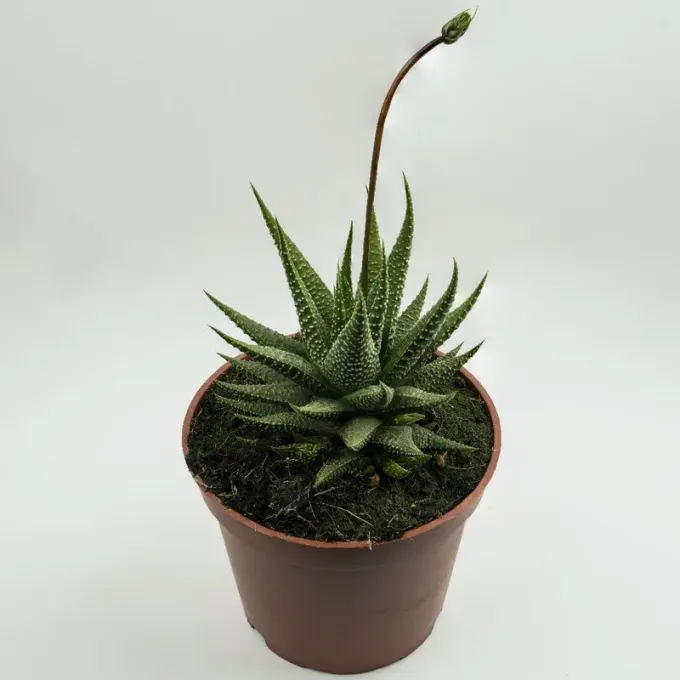
Description
Growing requirements
Aristeria beguinii (x Aristeria beguinii) is an intergeneric hybrid within the Araceae family, known for its distinct morphology. This plant was developed through selective breeding programs aimed at producing stable, aesthetically pleasing characteristics for horticultural use.
As a man-made hybrid, its native distribution is non-existent, and it is cultivated exclusively in greenhouses or controlled indoor environments where specific climate parameters can be maintained.
Botanically, the plant features large, leathery leaves and a typical inflorescence structure common to its family. It requires bright, indirect light to maintain its vigor and prevent foliage chlorosis or scorching.
Soil requirements for this hybrid include well-draining, peat-based or specialized aroid mixes. A loose, porous structure is essential to prevent root asphyxiation, which can lead to rapid decline in the plant's health.
Agricultural management requires a steady, high-humidity environment and consistent irrigation with room-temperature water. It thrives in temperatures ranging from 20°C to 25°C, requiring protection from sudden drafts.
Main diseases and pests
Common pests include spider mites and scale insects, which often thrive in indoor conditions if the surrounding air humidity is not properly managed.
Prevention relies heavily on regular cleaning of the foliage and ensuring adequate air circulation around the plant, which discourages pest proliferation.
Fungal issues, such as root rot, are the most frequent health threats, usually caused by over-watering or the use of poorly drained, compacted soil substrates.
Implementing a strict maintenance schedule and using high-quality potting mediums can significantly mitigate these risks and enhance the plant's natural resistance.
In cases of severe infestation or infection, application of targeted chemical controls or systemic fungicides may be necessary to save the specimen.