
Aristeria nowotnyi
x Aristeria nowotnyi (Radl) M. H. J. van der Meer
Description
Growing requirements
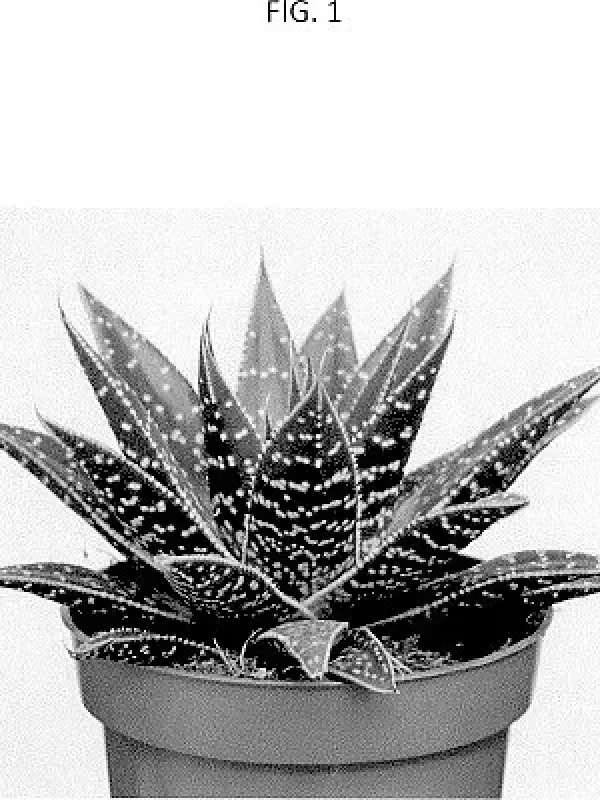
Aristeria nowotnyi (x Aristeria nowotnyi) is a distinctive intergeneric hybrid belonging to the Orchidaceae family. Known for its complex lineage, this plant is primarily cultivated by enthusiasts and specialized nurseries interested in the unique morphological traits of hybrid orchids.
The culture requires a controlled environment with stable temperatures to flourish. Avoiding drastic thermal fluctuations is essential, as the plant is sensitive to cold drafts and excessive heat, which can interfere with its biological growth cycles.
A well-draining, highly aerated growing medium is non-negotiable for this species. Most cultivators prefer substrates composed of high-quality pine bark, perlite, and charcoal, which allow for efficient moisture retention without suffocating the root system.
Light management is a critical factor in the plant's development. Aristeria nowotnyi thrives best under bright, indirect light conditions. Providing the correct light spectrum is vital to facilitate photosynthesis while protecting the foliage from scorch-inducing direct sun.
Humidity and irrigation management must be balanced carefully. The plant benefits from high ambient humidity levels (60–75%) and consistent watering intervals that mimic its natural physiological needs, ensuring the roots remain hydrated without becoming waterlogged.
Main diseases and pests
The plant is susceptible to various fungal pathogens, which typically manifest when ventilation is poor or moisture levels remain too high for extended periods. Improving airflow is the primary defense against such infections.
Common pests, including spider mites and mealybugs, are frequent challenges. These insects tend to hide in the plant's crevices, requiring frequent inspections and prompt intervention to prevent significant damage to the plant's vigor.
Integrated pest management, including the use of biological control agents or targeted pesticides, is recommended to manage infestations without compromising the delicate biology of the hybrid.
Good sanitation practices, such as disinfecting tools between pruning sessions, are essential to prevent the spread of systemic diseases. The plant's overall health is its best defense against opportunistic secondary infections.
Environmental stress, often caused by improper lighting or fluctuating humidity, can weaken the plant's natural defenses, making it much more susceptible to the aforementioned threats over time.