
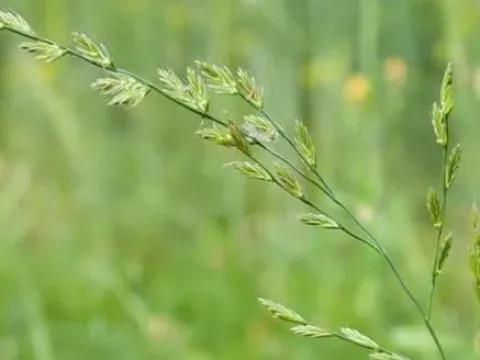
Festulolium
x Festulolium Aschers. et Graebn.
Festulolium should ideally be sown in early spring once soil temperatures reach 8–10 degrees Celsius, or in late summer between late August and mid-September.
What the section contains
 Festulolium
x Festulolium ascendens (Retz.) Asch. & Graebn.
Festulolium
x Festulolium ascendens (Retz.) Asch. & Graebn.
 Festulolium
Lolium x hybridum Hausskn. x Festuca pratensis Huds.
Festulolium
Lolium x hybridum Hausskn. x Festuca pratensis Huds.
 Festulolium
x Festulolium braunii (K. Richter) A. Camus
Festulolium
x Festulolium loliaceum (Huds.) P. Fourn.
Festulolium fredericii
x Festulolium fredericii Cugnac & A. Camus
Festulolium
x Festulolium braunii (K. Richter) A. Camus
Festulolium
x Festulolium loliaceum (Huds.) P. Fourn.
Festulolium fredericii
x Festulolium fredericii Cugnac & A. Camus
 Festulolium holmbergii
x Festulolium holmbergii (Dörfl.) P. Fourn.
Festulolium holmbergii
x Festulolium holmbergii (Dörfl.) P. Fourn.
Festulolium
Late summer sowing is generally preferred in temperate climates as it allows the seedlings to establish a resilient root system before the onset of winter frost.
Seed application rates depend on the sowing method and field conditions, generally ranging from 15 to 25 kg per hectare for standard row seeding practices.
Proper seed depth is crucial; sowing at a depth of 1.5–2 cm ensures optimal germination rates, while deeper burial may result in poor stand establishment.
Festulolium is frequently integrated into mixtures with legumes, such as clover, to enhance the protein content and nitrogen-fixing capacity of the pasture.
Festulolium (x Festulolium) is an intergeneric hybrid of fescue and ryegrass from the Poaceae family, specifically engineered for high-performance agriculture.
This grass exhibits remarkable adaptability, thriving in diverse soil types from fertile loams to moisture-prone clay soils where other forage grasses might fail.
Due to its heritage, Festulolium possesses the cold tolerance of fescue, making it highly suitable for colder regions that experience significant winter stress.
Agricultural success depends on balanced fertilization, particularly nitrogen inputs, to sustain its rapid growth rate during repeated cutting cycles throughout the season.
It remains productive under both dry and wet conditions, demonstrating a versatility that makes it a preferred choice for sustainable, long-term grassland management.
Yield potential is a key strength of Festulolium, often exceeding its parents in biomass production and allowing for 3 to 4 cuts annually in optimized conditions.
Typical green matter yields range from 40 to 60 tonnes per hectare, with dry matter yields reaching up to 12 tonnes per hectare depending on management.
Its ability to recover quickly after intensive grazing or mechanical mowing ensures a high annual output, providing consistent forage availability for livestock farms.
The nutritional profile of Festulolium is highly valued, maintaining high sugar and protein levels even as the plant matures during the peak growing season.
With proper care, a Festulolium stand can remain highly productive for 5 to 7 years, providing a reliable and stable source of high-quality feed for dairy and beef cattle.
While generally disease-resistant, Festulolium can be susceptible to powdery mildew or rust if excessive humidity persists within a dense canopy for extended periods.
Pest issues such as aphids or cereal flies are generally manageable through good agricultural practices that promote vigorous plant growth and rapid recovery.
Effective crop management, including avoiding over-fertilization and ensuring proper field drainage, helps in mitigating the risks of fungal disease development.
Integrated pest management strategies focusing on early detection and timely maintenance are recommended to keep damage below economic thresholds.
The use of certified, disease-free seed is a critical first step in establishing a healthy and long-lasting stand, providing a robust defense against common pathogens.
Harvesting for hay or silage should occur at the early heading stage to optimize the balance between biomass volume and the nutritional quality of the forage.
For grazing operations, rotation is vital; moving livestock before the grass is grazed below 5–7 centimeters is necessary to preserve the plant's regrowth capacity.
Mechanical harvesting using high-efficiency mower-conditioners allows for faster drying times, which is essential to preserve the vitamins and minerals in the biomass.
Proper compaction and sealing during silage production are essential to ensure a high-quality fermentation process and prevent nutrient loss in stored forage.
The final harvest of the season should be completed well before the first frosts to allow the plant to accumulate necessary nutrients in its roots for winter survival.