
Wissadula periplocifolia
Wissadula periplocifolia
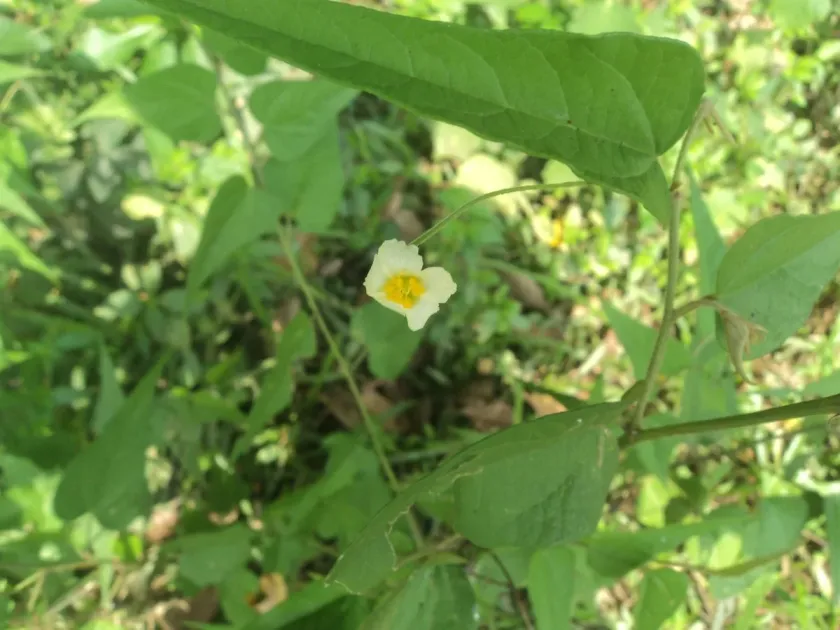
Description
Sowing dates
Sowing of Wissadula periplocifolia is conducted once stable warm temperatures are established, typically when soil temperatures reach 15–18°C. The optimal time coincides with the start of the rainy season in tropical regions or spring in subtropical zones, ensuring the necessary moisture for rapid germination.
The seeding rate is determined by the goal of obtaining high-quality fiber: dense plantings result in thinner, straighter stems, which significantly improves the yield and structural integrity of the bast fibers. Standard row planting with 20–30 cm spacing is typically employed.
The seeds possess high viability, yet they require preparatory cleaning to remove impurities. Planting depth should not exceed 1–2 cm, as deep sowing can lead to weakened seedlings or germination failure due to insufficient energy for emergence.
After seedling emergence, thinning may be necessary if the stand is too dense, preventing competition for nutrients. The early growth stage is critical, requiring proactive weed management, as invasive vegetation can quickly suppress young Wissadula plants.
In large-scale production, adhering to a crop rotation system is vital; avoiding monoculture for more than two consecutive years helps minimize the risk of soil-borne pathogen buildup.
Growing requirements
Wissadula periplocifolia belongs to the Malvaceae family. It is a perennial, often semi-shrubby plant that is managed in agricultural settings as an annual or short-lived crop, primarily harvested for its durable bast fiber.
The crop favors well-lit areas, as it is a light-demanding species. Lack of adequate sunlight during the active growth phase leads to etiolation (stretching) of the stems, reducing their strength and overall fiber quality, which makes site selection a primary factor for success.
The plant has moderate soil requirements, preferring loose, fertile loams with excellent drainage. Waterlogging in the root zone is detrimental, so fields with high water tables or heavy clay composition are unsuitable for cultivation.
Wissadula exhibits high heat tolerance, typical of its tropical origins. However, it is critically sensitive to frost; even mild freezing temperatures can lead to the total loss of early crops or significant damage to the vegetative biomass.
Moisture requirements are moderate: the plant can tolerate brief drought periods due to its deep root system, but consistent irrigation during the first half of the vegetative season is essential to achieve high stem biomass yields.
Yield
The economic value of Wissadula lies primarily in its bast fiber, which possesses physical and mechanical properties comparable to jute or hemp. Its high tensile strength and flexibility make it a valuable resource for the production of ropes, twines, and heavy-duty packaging fabrics.
Green biomass yield depends directly on soil fertility, moisture availability, and overall crop management. Under favorable conditions, the plant can develop robust stems reaching 2–3 meters in height, allowing for significant raw material production per hectare.
Beyond fiber, the stems contain cellulose suitable for the pulp and paper industry. Processing by-products allows these materials to be used as additives in the manufacturing of industrial-grade paper and cardboard.
The seeds contain a certain percentage of oil, which is being explored in some countries for biotechnological applications, though stem fiber remains the primary product, typically extracted through retting processes.
Maximum fiber yield is achieved when plants are harvested during the flowering phase, when cellulose content in the stems is at its peak and lignification has not yet advanced to a point that complicates primary processing.
Main diseases and pests
Common diseases for this crop include fungal infections triggered by excessive soil or air moisture. Root rots may affect plants at early stages, necessitating strict adherence to irrigation schedules and effective drainage management on the field.
Pests include various leaf beetles and aphids that can cause damage to young foliage. While Wissadula has some natural resilience, monitoring is necessary to apply timely biological pest control measures during mass outbreaks.
A critical risk factor is the development of leaf spot diseases, which reduce the photosynthetic activity of the plant and subsequently stunt stem growth. Regular weeding and maintaining clean plots help suppress the overall infection pressure.
During arid periods, crops may be susceptible to spider mite infestations, especially if neighboring fields harbor the pest. Optimal agricultural practices that boost the plant's natural immunity remain the most effective preventive measure.
Disease prevention also involves using healthy, high-quality seeds and conducting deep autumn plowing to eliminate overwintering stages of pests and fungal pathogens residing in the soil.
Harvesting
Harvesting is performed during the flowering period, with the timing dictated by the stem condition. Early harvesting results in weaker fibers, while late harvesting leads to excessive lignification, making the separation of the bast from the core significantly more difficult and reducing overall fiber elasticity.
Mechanical harvesting involves mowing the stems with specialized headers, followed by bundling them into sheaves for initial drying. In hot climates, field drying under direct sunlight is used to partially break down pectin compounds.
The process proceeds to retting, where stems are soaked in water bodies or specialized basins for several days to two weeks. This step is crucial for decomposing parenchyma tissues to facilitate the separation of the fiber from the woody stem core (shives).
After retting, the fiber is washed to remove tissue residues and dried. High-quality output is characterized by a light color, cleanliness from woody debris, and a distinct luster, all of which are highly valued in industrial applications.
The final preparation stage includes scutching and hackling to produce a commodity ready for spinning or other technical uses in the textile and packaging industries.