
Wissadula hirsuta
Wissadula hirsuta
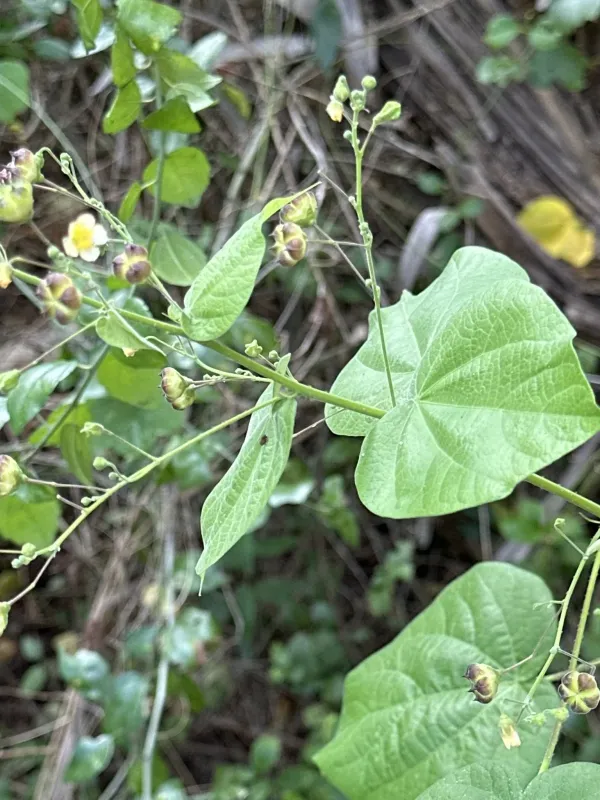
Description
Sowing dates
Wissadula hirsuta is a heat-loving crop, so sowing should only take place after soil temperatures have stably reached 15–18 degrees Celsius.
The optimal sowing period in tropical and subtropical climates usually corresponds to the onset of the rainy season or spring in regions with long growing seasons.
Seeds are sown at a depth of 2–3 centimeters depending on soil structure, which ensures uniform germination and sufficient contact between the seed and the moist substrate.
Seeding rates are calculated based on the intended use: crops grown for biomass production require significantly higher density than those intended for seed stock multiplication.
Pre-sowing treatment involves mandatory stratification or scarification of the seeds, as the hard seed coat of Wissadula may delay the germination process in the field.
Growing requirements
This member of the Malvaceae family thrives in well-drained, fertile loamy soils with a neutral to slightly acidic pH level.
The plant exhibits high resistance to short-term drought periods, but requires regular moisture during the active growth phase to achieve maximum vegetative mass.
Wissadula hirsuta is highly light-demanding and cannot tolerate shading, making it unsuitable for cultivation under forest canopies or in dense intercropping systems.
The crop is extremely sensitive to low temperatures and frost, which can immediately halt the development of aerial parts and lead to plant mortality.
The optimal temperature range for normal vegetative growth is between 25 and 30 degrees Celsius, which defines its effective cultivation range in tropical regions.
Yield
The yield potential of Wissadula hirsuta depends on the quality of agronomic practices and soil fertility, with primary emphasis placed on the output of high-quality vegetable fiber.
In industrial-scale cultivation, biomass yields can be substantial, provided that organic fertilization and optimal water balance are maintained throughout the season.
Seed yield varies depending on the region, but with proper management, the crop is capable of producing stable and high-quality propagation material.
A critical factor determining the final yield is the timing of the harvest, as over-maturation of the capsules can lead to significant seed shattering onto the ground.
To improve yield metrics, regular inter-row cultivation is recommended to prevent weed competition, which can otherwise severely suppress the crop's growth.
Main diseases and pests
Common pests affecting the genus Wissadula include various leaf beetles and spider mites, which damage the leaf surface during hot and dry weather conditions.
The plant may be susceptible to fungal diseases such as fusarium wilt or root rot, particularly in conditions of waterlogging or poor soil aeration.
To prevent pest outbreaks, a strict crop rotation schedule is recommended, avoiding planting Wissadula following other related plants from the Malvaceae family.
If infection or pest hotspots are detected, comprehensive control measures should be implemented, including the use of biological insecticides and the removal of affected plants.
Monitoring the fields for pest presence should be carried out weekly, especially during the formation of the first true leaves.
Harvesting
Fiber harvesting is conducted at the stage of technical maturity, when the stems reach the required strength but have not yet become excessively lignified.
For seed production, harvesting is delayed until the majority of capsules have naturally turned yellow, after which they are carefully cut or mechanically threshed.
Post-harvest processing of stems involves retting to separate the bast fibers, which are then used in the textile and paper manufacturing industries.
To maintain fiber quality, it is vital to dry the raw material in well-ventilated conditions, avoiding direct sunlight, which can cause discoloration and degradation.
Mechanical harvesting significantly increases efficiency, although it requires specific equipment settings to prevent the loss of valuable plant material.