
Wissadula excelsior
Wissadula excelsior
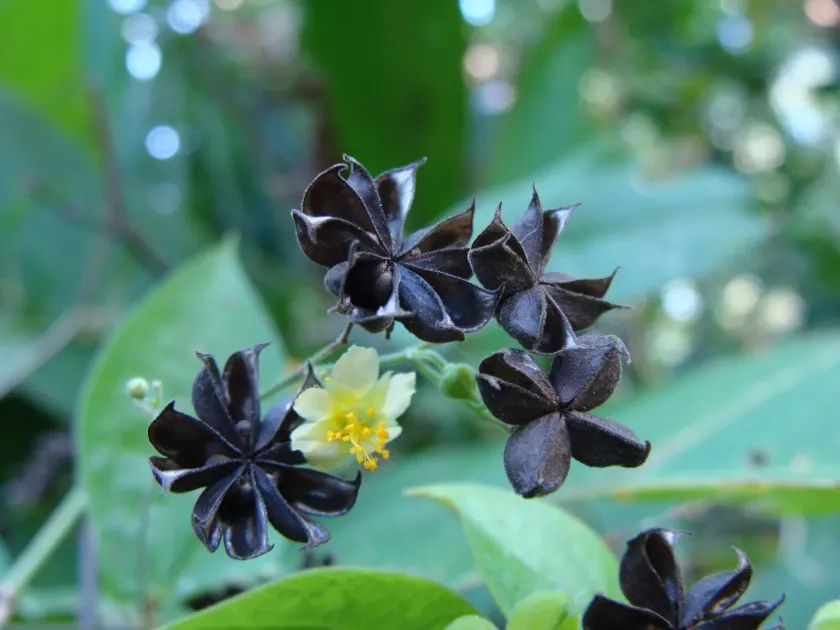
Description
Sowing dates
Wissadula excelsior is a heat-loving plant, so planting should only begin once the soil at seed depth has warmed up sufficiently, typically in late spring.
Optimal sowing time depends on the establishment of stable temperatures above 15 degrees Celsius to ensure quick germination and prevent frost damage.
Adequate soil moisture is crucial for successful seedling emergence, requiring irrigation in regions with insufficient rainfall during the planting season.
Seed depth generally ranges from 2 to 4 centimeters, adjusted according to the soil texture to ensure proper contact and moisture absorption.
Sowing density is determined by the specific end-use, with higher densities typically applied when the primary goal is high-quality fiber production.
Growing requirements
Belonging to the Malvaceae family, this species is biologically adapted to tropical and subtropical climates characterized by high heat and solar radiation.
Wissadula excelsior performs best in fertile, well-drained soils with a neutral or slightly acidic pH, avoiding areas with high water tables or compaction.
The plant is highly sensitive to waterlogging, as excessive moisture in the root zone can lead to stunted growth and susceptibility to various diseases.
Full sun exposure is essential for the plant to achieve its maximum biomass, as shading negatively impacts the quality and quantity of the stem fibers.
A balanced fertilization program, focusing on nitrogen for vegetative growth and phosphorus for root development, is recommended for healthy crops.
Yield
The primary economic output of Wissadula excelsior is its high-quality bast fiber, which is valued for its durability and suitability in various textiles.
Fiber yield per hectare is significantly influenced by the management of soil nutrients, effective weed control, and consistent moisture levels during growth.
The biomass productivity is competitive with other industrial fiber crops, making it a viable option for farmers interested in diversifying their production.
Seed production can also be a secondary objective, contributing to the overall economic efficiency of the crop cycle in suitable climatic conditions.
Ongoing research and selection of improved varieties are helping to maximize fiber yield, positioning this plant as a sustainable source of raw materials.
Main diseases and pests
Like many members of the Malvaceae family, Wissadula excelsior is susceptible to fungal pathogens if humidity levels remain high for extended periods.
Root rot is a common threat in poorly drained soils, necessitating proper field selection and drainage systems to maintain a healthy crop stand.
Insect pests, including leaf-feeding beetles and aphids, can significantly impair plant growth, requiring integrated pest management strategies.
Crop rotation is a fundamental practice to prevent the build-up of soil-borne pathogens and to ensure long-term soil fertility and health.
Effective monitoring and the timely application of approved biological or chemical treatments can effectively control infestations and minimize yield losses.
Harvesting
Harvesting is typically performed during the early flowering phase, as this timing ensures the best balance between fiber quantity and physical quality.
Technological methods involve cutting the stems and subjecting them to retting processes, which facilitate the separation of the bast fibers from the stalk.
Timing is critical, as delaying the harvest can lead to increased lignification of the stems, making fiber extraction more difficult and reducing overall quality.
Proper post-harvest handling, including drying and storage, is necessary to prevent microbial degradation and maintain the integrity of the fiber.
Efficient coordination between harvesting and industrial processing is key to maintaining the value of the raw fiber throughout the supply chain.