
Early weigela
Weigela praecox (Lemoine) L. H. Bailey
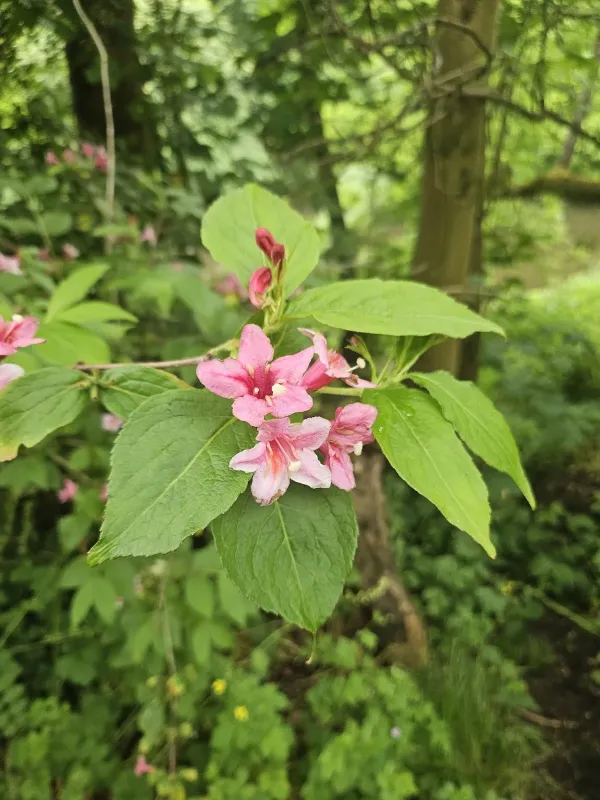
Description
Growing requirements
Weigela praecox, commonly known as early weigela, is a deciduous shrub belonging to the Caprifoliaceae family. It is highly prized in horticulture for its spectacular, early spring flowering display that arrives before the foliage fully emerges.
The plant originates from the Far East, including regions of Korea, Japan, and Northeast China. In its native habitat, it thrives in forest margins, open slopes, and thickets, preferring areas with moderate moisture and well-drained soil conditions.
For successful cultivation, early weigela requires a sunny position, although it can tolerate partial shade. Full sun is recommended to promote compact growth and maximize flower production, which is essential for the aesthetic impact of the shrub in a landscape.
The soil should be fertile, loose, and well-drained. Weigela prefers neutral to slightly alkaline pH levels. Poorly drained, heavy clay soils are detrimental to the root system, so amending the site with organic matter and drainage material is crucial during planting.
Routine care involves consistent watering during the growing season and mulching to conserve soil moisture. Pruning should be carried out immediately after flowering to remove old wood and encourage the development of new, vigorous stems for the following year.
Main diseases and pests
Common pests that affect Weigela praecox include aphids, which often cluster on soft new growth, and spider mites, which thrive in hot, dry environments. Regular inspections and the use of appropriate insecticidal soaps can manage these populations.
Fungal diseases, such as leaf spot and powdery mildew, may occur, particularly in damp or overcrowded conditions. Maintaining proper spacing between plants ensures good air circulation, which is the most effective way to reduce the incidence of these infections.
Root rot is a major threat caused by poor soil drainage and waterlogging. If the roots remain saturated for long periods, the plant will decline rapidly, exhibiting yellowing leaves and wilting, which often leads to the death of the specimen.
Winter injury can occur in colder climates, where late spring frosts might damage the early-opening flower buds. Providing a layer of organic mulch around the base and using protective covers during extreme cold snaps can mitigate these risks.
To keep the shrub healthy, gardeners should implement an annual fertilization schedule using balanced fertilizers. A healthy plant is significantly more resilient against pest infestations and pathogen attacks throughout the growing season.