
Weigela hortensis
Weigela hortensis (Siebold & Zucc.) K. Koch
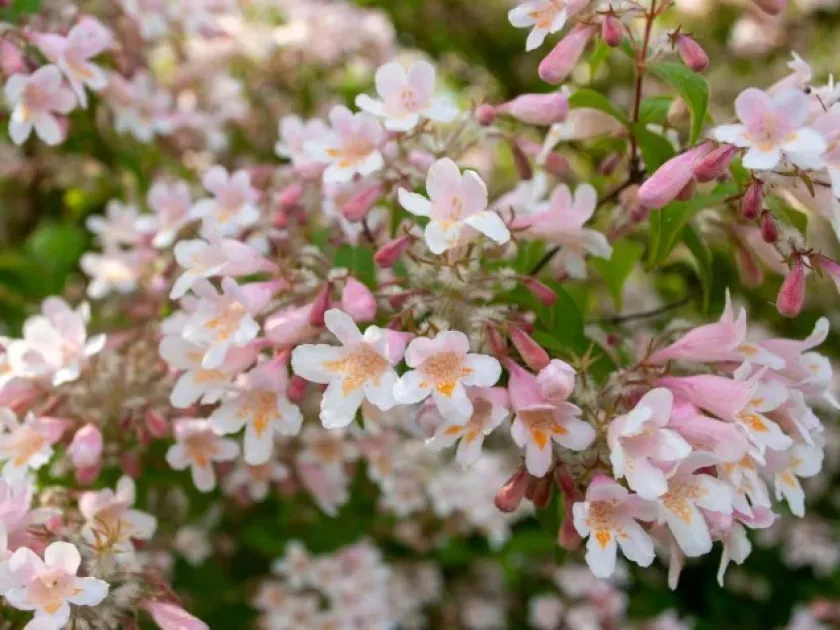
Description
Growing requirements
Weigela hortensis is an ornamental deciduous shrub belonging to the Caprifoliaceae family. This species originates from Japan and is highly valued in horticulture for its clusters of bell-shaped flowers and attractive foliage.
The shrub thrives in fertile, well-drained soils with a slightly acidic to neutral pH. It is essential to ensure that the soil remains moist but not waterlogged, as poor drainage can lead to root rot and other physiological disorders.
Regarding climate and site selection, Weigela hortensis prefers full sun to light shade. In regions with very hot summers, afternoon shade is recommended to prevent leaf scorch and to preserve the vibrancy of the blooms.
Cultural practices include consistent watering during dry spells and the application of balanced fertilizers in early spring to support vigorous growth. Mulching around the base helps retain soil moisture and suppresses competing weed growth.
Weigela is primarily utilized in landscape design for borders, foundations, or as a focal point in mixed shrubbery. Its aesthetic appeal and relatively low-maintenance nature make it a popular choice for both private gardens and public green spaces.
Main diseases and pests
Weigela shrubs are susceptible to several common pests, including aphids and spider mites. These insects can quickly colonize the undersides of leaves, leading to stunted growth and reduced ornamental value if left untreated.
Fungal diseases such as powdery mildew and leaf spot are significant threats, especially in humid or poorly ventilated environments. Proper plant spacing is a critical cultural practice to facilitate airflow and minimize the risk of infection.
Integrated pest management strategies should be employed, prioritizing early detection. Regular monitoring allows for the targeted application of horticultural oils or insecticidal soaps, which are effective against many soft-bodied pests.
Pruning is vital not only for shape but for health. Removing dead, diseased, or crossing branches reduces the sites where pathogens can thrive and improves the overall vigor of the plant, helping it to withstand minor pest infestations.
If fungal disease symptoms persist, appropriate systemic fungicides should be applied according to label directions. Maintaining a healthy soil environment and optimal nutrient levels will significantly enhance the plant's natural resistance to diseases.