
Weigela florida
Weigela florida (Bunge) A. DC.
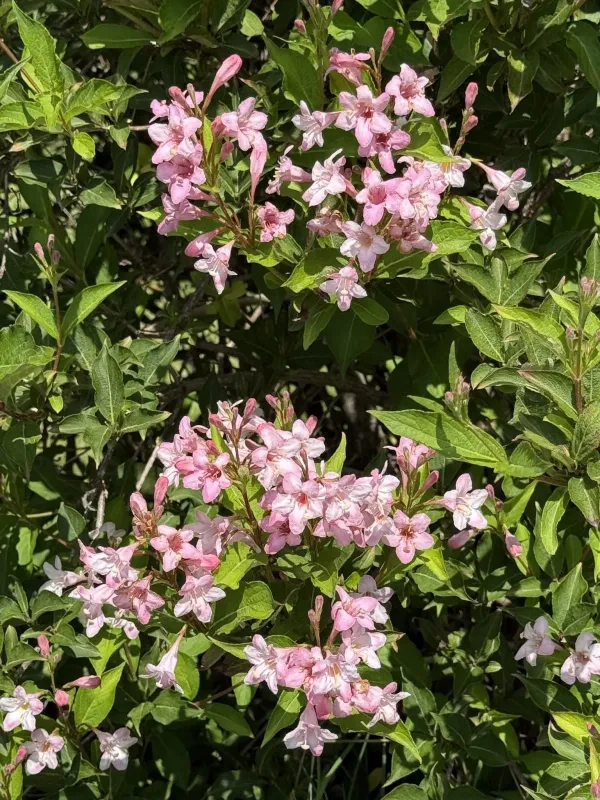
Description
Growing requirements
Weigela florida is a deciduous ornamental shrub belonging to the Caprifoliaceae family. Native to East Asia, it has become a staple in temperate climate gardens due to its vibrant spring blossoms.
The plant thrives best in full sun, which is essential for producing the most abundant flowers and maintaining the deep leaf coloration characteristic of many modern cultivars.
Soil quality should be nutrient-rich, moist, and well-drained. While it adapts to various soil types, a slightly acidic to neutral pH is preferred for optimal nutrient uptake.
Adequate irrigation is crucial, particularly during the first few years after planting and during prolonged dry spells in summer to ensure the root system stays hydrated.
Regular maintenance involves pruning dead or crossing branches immediately after the flowering period to encourage new growth and maintain a healthy, aesthetic shape.
Main diseases and pests
Pests that commonly affect this plant include aphids and spider mites, which can cause significant damage to foliage and weaken the plant if left unchecked during the growing season.
Fungal diseases like leaf spot and gray mold can occur, especially in locations with poor air circulation or excessive overhead irrigation that leaves foliage damp for extended periods.
Integrated pest management, involving proper sanitation and the removal of infected plant material, is essential to keep the shrub healthy and thriving in the landscape.
Using appropriate horticultural oils or systemic insecticides can effectively manage infestations, but they should be applied judiciously to minimize impact on beneficial insects.
Ensuring the plant has adequate spacing from other shrubs helps improve airflow, significantly reducing the likelihood of fungal outbreaks and promoting overall plant vigor.