
Weberbauerocereus winterianus
Weberbauerocereus winterianus
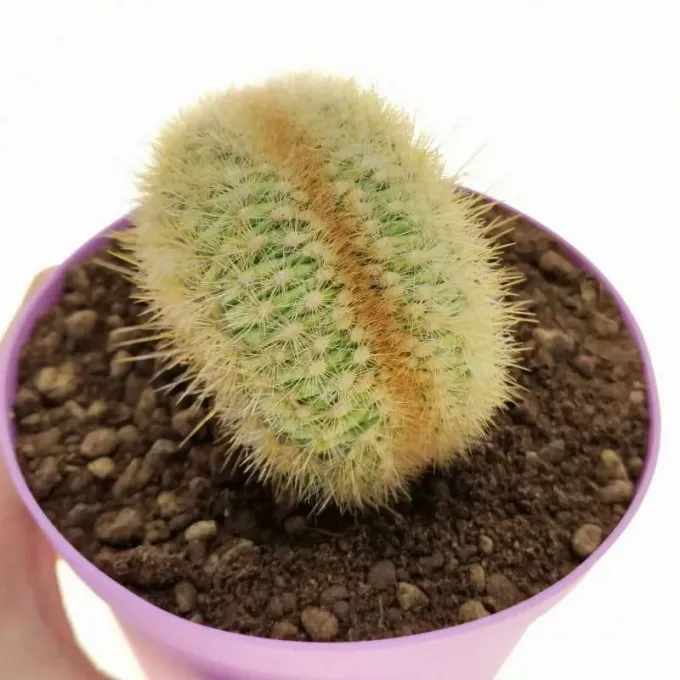
Description
Growing requirements
Weberbauerocereus winterianus is a columnar cactus belonging to the Cactaceae family, native to the arid highlands of Peru. Adapted to harsh mountainous environments, it demonstrates significant resilience and a slow, stable growth habit in appropriate conditions.
The culture requires a highly porous, mineral-based growing medium. A mix consisting of coarse sand, perlite, and small gravel with only a minimal portion of loamy soil is essential to ensure excellent drainage and root aeration.
Abundant light is the most critical requirement for maintaining the structural integrity of this cactus. Exposure to direct, unfiltered sunlight for several hours a day is necessary to prevent etiolation and to support the development of healthy, dense spines.
During the active growing season, irrigation should be infrequent but thorough, ensuring that the soil dries out completely between waterings. Overwatering is the primary cause of plant failure, so moisture control is paramount for long-term health.
Temperature management involves warm summer conditions, typically between 20 and 30 degrees Celsius, and a cool, dry dormancy period during winter. Keeping the plant in a dormant state between 8 and 12 degrees Celsius is crucial for triggering future flowering.
Main diseases and pests
The primary threat to the health of Weberbauerocereus winterianus is root rot, triggered by moisture accumulation and poor ventilation. Excessive dampness in the substrate allows pathogenic fungi to colonize the root system rapidly.
Mealybugs are a frequent pest that can colonize the areoles and deep crevices of the stem. These sap-sucking insects drain the plant of nutrients and create entry points for secondary bacterial infections if not managed promptly.
Spider mites can also cause significant aesthetic and physiological damage, especially in environments with low humidity. Infestation results in a discolored, corky appearance on the skin of the cactus, indicating damaged tissue.
Disease prevention relies on maintaining strict sanitation within the collection, including the use of disinfected pots and sterile substrate mixtures. If fungal symptoms appear, excision of the affected parts followed by thorough drying is necessary.
Chemical control involving systemic insecticides and fungicides should be implemented at the first sign of infestation. Always ensure that the treated plant is sheltered from intense sun exposure immediately after the application of pesticides to prevent chemical burns.