
Weberbauerocereus rauhii
Weberbauerocereus rauhii
Description
Growing requirements
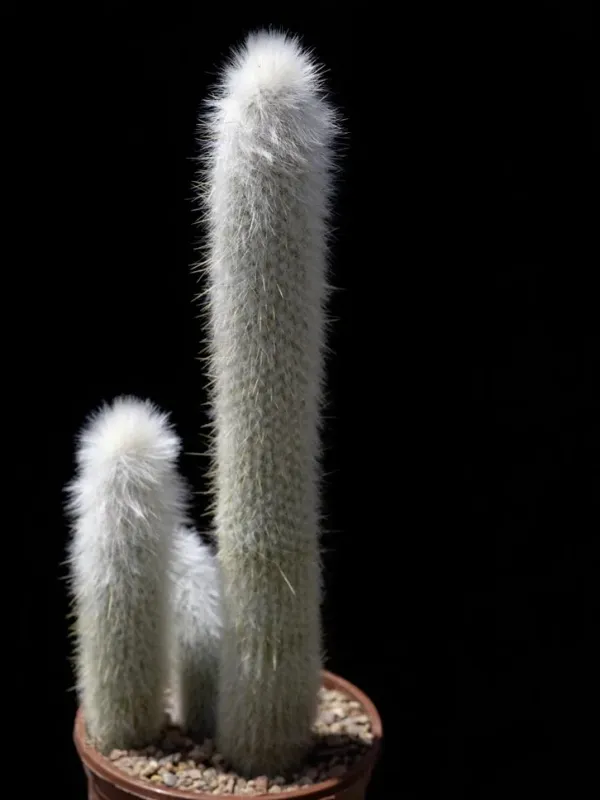
Weberbauerocereus rauhii is a succulent plant species belonging to the Cactaceae family. This columnar cactus is known for its impressive structural growth, often displaying a tree-like habit in its native mountainous habitats, which makes it a prized specimen for specialized botanical collections.
The native range of this species is primarily concentrated in the arid and high-altitude regions of Peru. Due to its specific environmental needs, it is cultivated globally as an ornamental plant in greenhouses and arid-style gardens that can replicate its demanding natural climate.
Botanically, the plant features ribbed stems equipped with robust spines that serve as a defense mechanism and a strategy for managing temperature in harsh sunlight. The root system is highly specialized for gathering moisture from poor, rocky soils typical of high-desert terrain.
Successful cultivation requires a mineral-based substrate that provides superior drainage, such as a mix of pumice, coarse sand, and a small percentage of loam. Proper drainage is the most critical factor in preventing physiological stress and root death in this species.
This cactus demands high-intensity light exposure throughout the year. In indoor environments, it requires maximum sunlight access to maintain its density and structural integrity, as insufficient light leads to etiolation, significantly weakening the plant's biological defenses.
Main diseases and pests
The primary threats to Weberbauerocereus rauhii are fungal pathogens that thrive in damp conditions. Root rot, caused by over-irrigation or inadequate drainage, represents the most significant danger to the survival of the plant, often leading to irreversible tissue damage.
Pest infestations, particularly by mealybugs and spider mites, are common in indoor settings. These pests cluster in the crevices between ribs, where they drain sap and cause cosmetic scarring, eventually hindering the plant's growth and overall vigor if left untreated.
Improper cultivation practices, such as the use of organic-rich soil or poor air circulation, create favorable conditions for disease outbreaks. Sterilizing the potting media and maintaining consistent airflow are essential preventive measures to ensure the plant's long-term health.
Management of pests requires a targeted application of specialized acaricides and insecticides, often combined with mechanical removal. Consistent monitoring is recommended, as the cactus's structural complexity can hide initial signs of infestation.
Adhering to a strict winter dormancy period, where watering is significantly reduced or suspended, is the most effective way to prevent disease. By mimicking the natural dry season of its habitat, the cultivator helps the plant maintain its natural resistance to common pathogens.