
Weberbauerocereus cuzcoensis
Weberbauerocereus cuzcoensis
Description
Growing requirements
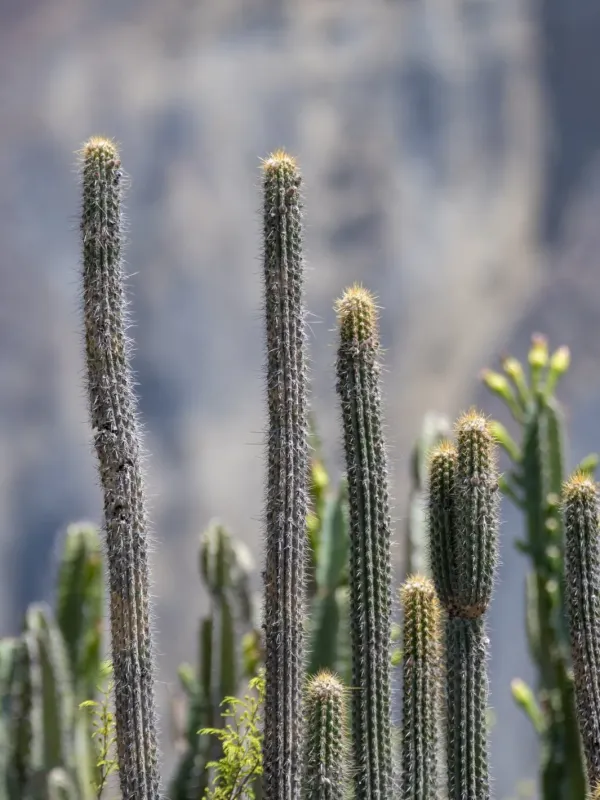
Weberbauerocereus cuzcoensis is a striking columnar cactus belonging to the Cactaceae family. Native to the high-altitude regions of Peru, specifically around the Cusco area, this plant has evolved to survive in challenging environments characterized by high solar radiation and temperature fluctuations.
In its natural habitat, the plant grows as a large, branching tree-like structure. It is highly valued among collectors for its unique morphological features, which include prominent ribs and specific spine arrangements that protect the epidermis from the intense Andean sun.
The cultivation of this species requires a mineral-based, highly permeable substrate. A mix of pumice, coarse sand, and grit is essential to prevent moisture retention near the roots, as this plant is strictly adapted to well-drained, arid soil conditions.
Light requirements are very high, necessitating full sun exposure for several hours a day. Insufficient light leads to etiolation, a condition where the cactus becomes elongated, pale, and structurally weak, significantly reducing its aesthetic and botanical health.
Proper agro-technical management involves a strict cycle of active growth and winter dormancy. During the growing season, watering should be thorough but infrequent, ensuring the soil dries out completely between waterings to prevent root system collapse.
Main diseases and pests
The most significant threat to Weberbauerocereus cuzcoensis is fungal infection triggered by overwatering or poor ventilation. Excess soil moisture quickly leads to rot, which can destroy the vascular system of the cactus before the external symptoms become visible.
Mealybugs are the most common pest observed on this species. These insects tend to colonize the crevices between ribs and the base of the spines, extracting sap and weakening the plant, which often leads to secondary infections in the damaged areas.
Spider mites are also problematic in controlled environments with low humidity. They typically manifest on the younger, more tender growth of the cactus, causing discolored patches and stunted development if not treated with appropriate miticides in time.
Prevention is the best approach to maintain plant health. This includes keeping the growing area clean, ensuring excellent airflow to discourage pest settling, and using sterile potting media to minimize the risk of introducing soil-borne pathogens during transplantation.
If an infestation occurs, manual removal of pests followed by the application of systemic treatments is recommended. It is vital to use products specifically formulated for succulents to avoid phytotoxic damage to the cactus's sensitive surface tissues.