
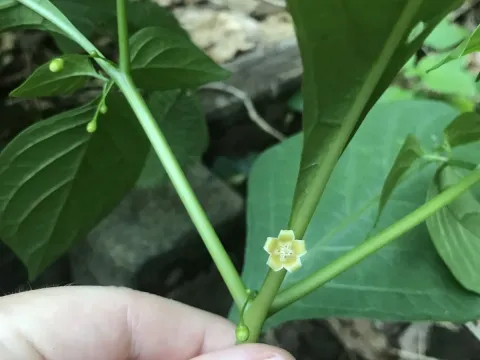
Tubocapsicum
Tubocapsicum
Tubocapsicum is a member of the Solanaceae family, known for its unique botanical traits and specific growth requirements.
What the section contains


Tubocapsicum
Propagation is typically initiated through seeds, which should be sown in a sterile, warm seed-starting mix to ensure germination.
Seedlings require sufficient space and high-intensity light to prevent etiolation during the initial stages of development.
Transplanting to the final location should only occur once all risks of frost have passed and night temperatures are stable.
Proper spacing is essential to encourage air circulation, which is vital for the overall health of these solanaceous plants.
This crop thrives in fertile, well-draining soils with a pH ranging from slightly acidic to neutral levels.
High levels of sunlight are crucial for healthy vegetative growth and subsequent flowering performance in this species.
Irrigation practices must be managed to maintain consistent soil moisture without causing waterlogging or root rot.
Balanced fertilization, rich in nitrogen during the vegetative phase and phosphorus during flowering, supports robust plant development.
Temperature management is key; this plant prefers a warm environment and may suffer from significant stress in extreme heat or cold.
Like many plants in the Solanaceae family, Tubocapsicum is susceptible to common pests such as aphids and spider mites.
Fungal pathogens, particularly those causing leaf spots or blight, can proliferate under high-humidity conditions.
Integrated pest management (IPM) strategies, including the use of neem oil or biological controls, are highly recommended.
Rotating the crop with non-solanaceous plants helps break the lifecycle of soil-borne pathogens and specific insect pests.
Monitoring for signs of nutrient deficiency or viral infections is part of standard care to maintain long-term crop productivity.
Harvesting Tubocapsicum involves carefully selecting mature fruits that show the appropriate coloration and size.
Because fruit maturity can be asynchronous, regular harvesting sessions are required to maintain the plant's vigor.
Using sterile hand tools is recommended to prevent the accidental transfer of diseases from one plant to another during the harvest.
Once harvested, the produce should be kept in a cool, dry environment to ensure it maintains its quality for as long as possible.
Special attention should be given to handling, as the fruits of this species can be delicate and prone to mechanical damage.