
Tubocapsicum anomalum
Tubocapsicum anomalum
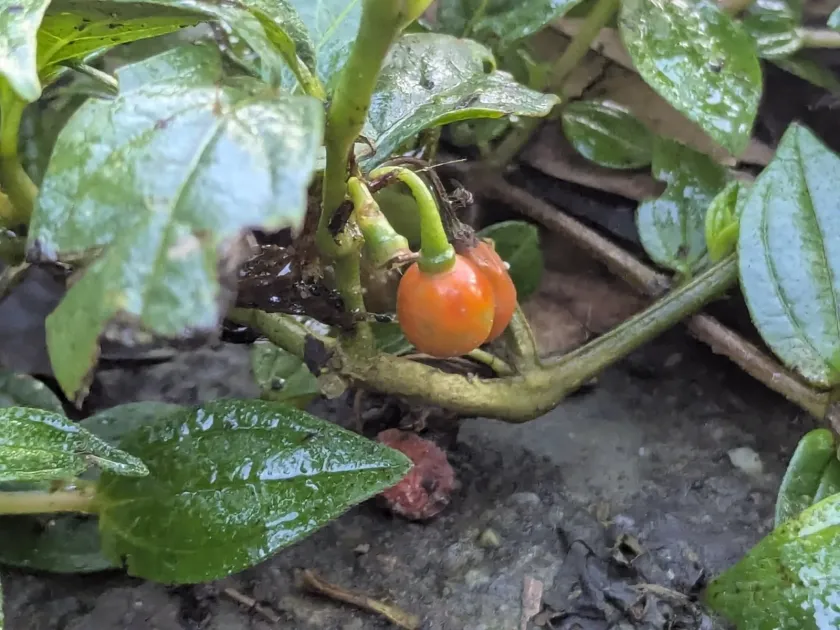
Description
Sowing dates
Tubocapsicum anomalum is an intriguing member of the Solanaceae family that requires careful planning for successful cultivation. It is typically propagated by seeds, which should be started indoors in protected containers to ensure optimal germination rates before the spring thaw.
The ideal germination temperature range is between 22 and 26 degrees Celsius. Providing a consistent heat source, such as a heating mat, significantly improves the uniformity of seedling emergence in early spring.
Once seedlings develop their first set of true leaves, they should be transplanted into individual pots to avoid root crowding. This allows the plants to establish a strong root system before they are hardened off for outdoor life.
Acclimatization is a crucial step in the agricultural process for this species. Slowly exposing plants to outdoor temperatures over the course of ten days helps them adapt to wind, sun, and temperature fluctuations.
Transplanting into the garden should only occur when soil temperatures consistently stay above 15 degrees Celsius. Planting too early in cold soil will significantly stunt growth and may lead to plant failure.
Growing requirements
This crop thrives in full sun exposure, although it benefits from light shade during the hottest parts of the day in tropical or arid environments to prevent heat stress and floral drop.
Well-drained, fertile soil is a strict requirement for the health of Tubocapsicum anomalum. The plant does not tolerate heavy clay soils that retain excess moisture, which can easily trigger root rot.
Consistent moisture management is essential throughout the growing season. While the plant prefers damp soil, waterlogging must be avoided, as it leads to oxygen deprivation in the root zone.
Fertilization should be balanced, focusing on organic matter application during soil preparation and supplemental potassium during the flowering phase to support fruit development and yield quality.
Spacing requirements are moderate, with recommended gaps of 50 centimeters between plants. This distance ensures adequate airflow, which is the primary defense against the humidity-related diseases common in this genus.
Main diseases and pests
Common pests include aphids, spider mites, and whiteflies, which frequently cluster on the undersides of leaves. Regular scouting is recommended to identify these infestations before they reach critical levels.
Fungal pathogens such as early blight are significant risks in humid climates. Maintaining proper hygiene, including removing infected plant debris, is vital for long-term disease management.
Root zone pathogens can proliferate if the soil structure becomes compacted or overly wet. Using compost to improve soil porosity is a long-term solution for maintaining root health.
Virus transmission by insect vectors is a threat to the overall vigor of the plant. Maintaining a weed-free perimeter around the growing area is an effective cultural practice to reduce vector populations.
Monitoring for signs of nutrient deficiency, specifically magnesium or calcium, can help prevent physiological disorders that often mimic the appearance of infectious diseases.