
Tubocapsicum boninense
Tubocapsicum boninense
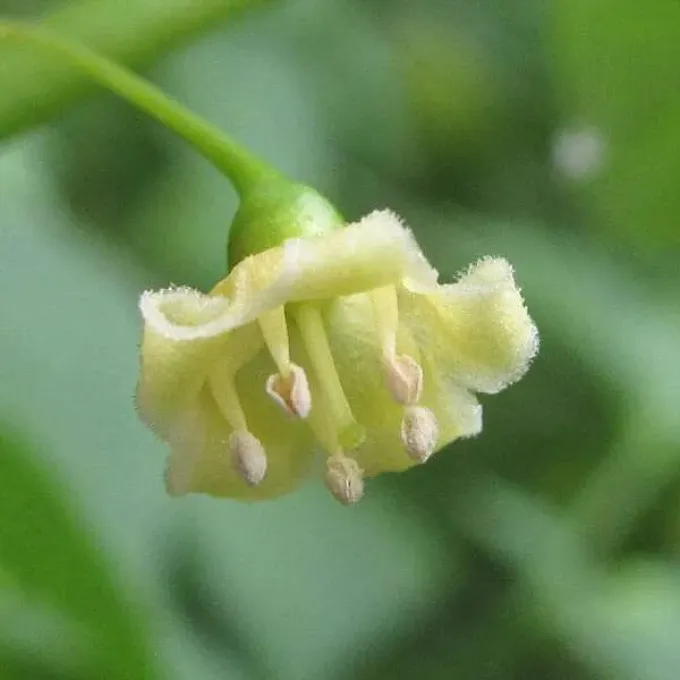
Description
Sowing dates
Tubocapsicum boninense is a member of the Solanaceae family, known for its unique botanical profile. Unlike standard garden peppers, this species is an endemic plant with specific environmental preferences essential for its life cycle.
Seeds of this plant have a prolonged dormancy period. Successful propagation requires careful preparation, often involving cold stratification to break dormancy and ensure uniform germination in a high-quality, organic-rich growing medium.
Sowing should be timed to match the optimal growth phase, usually in early spring for greenhouse environments. Maintaining a consistent soil temperature of 22–25 degrees Celsius is critical for the initial development of the seedlings.
Using a transplant method is highly recommended to protect the young plants from environmental stress. Once the first true leaves emerge, transplanting into individual containers provides the space necessary for a robust root system to establish.
Hardening off the seedlings is a vital step before moving them to their permanent location. A gradual adjustment period of two weeks helps the plant adapt to light intensity and fluctuations in temperature.
Growing requirements
This crop thrives in conditions that mimic its native subtropical habitat. It prefers diffused lighting rather than direct, harsh sunlight, which can easily scorch its delicate foliage.
Soil quality is paramount; the substrate must be light, well-draining, and rich in humus. Waterlogging must be strictly avoided, as the root system of Tubocapsicum boninense is highly susceptible to rot under anaerobic conditions.
The optimal temperature range for active growth is between 18 and 26 degrees Celsius. Because it is highly sensitive to frost, outdoor cultivation is restricted to frost-free periods or tropical climates.
Regular but moderate watering is necessary to maintain soil moisture without creating waterlogged pockets. Maintaining high ambient humidity is beneficial for healthy foliage development and promotes efficient gas exchange.
Nutrient management involves applying balanced fertilizers, emphasizing phosphorus and potassium during the flowering stage. Excess nitrogen should be avoided to prevent excessive vegetative growth at the expense of fruit production.
Main diseases and pests
Common pests, such as spider mites and whiteflies, represent a significant threat to this crop. These insects thrive in closed environments, especially when airflow is restricted or humidity is too high.
Fungal diseases like late blight and Alternaria represent major risks. Consistent monitoring for early signs of infection is essential to prevent outbreaks that can quickly devastate the crop.
Integrated pest management strategies are recommended, including the use of beneficial insects and biological fungicides to minimize chemical input. Good ventilation within the greenhouse is a key preventive measure.
Maintaining spatial isolation from other Solanaceae species helps reduce the pressure from viral diseases. Viruses can be easily transmitted by sap-sucking insects that frequent the wider nightshade family.
Sanitation is a critical component of disease control. Removing and properly disposing of any symptomatic plant material is necessary to reduce the inoculum level within the growing space.
Harvesting
Harvesting should be conducted when fruits reach biological maturity. They should be picked carefully to avoid damaging the brittle branches of the plant, using sharp tools to cleanly cut the peduncle.
Post-harvest handling is delicate due to the thin skin of the fruit. Immediate storage in a cool, well-ventilated area is required to prevent rapid spoilage and moisture loss.
The primary use of this species is within botanical collections and experimental agriculture. Its chemical composition is a subject of study, potentially offering unique biological compounds for future applications.
Given the relative rarity of the plant, post-harvest processing is limited to specialized research. Fruits should be sorted carefully to maintain quality for testing or further cultivation trials.
After the harvest, the growing area must be thoroughly cleaned. Sterilizing containers and clearing substrate debris ensures that the area is free from pathogens for the start of the next planting cycle.