
Tweedie's nightshade
Solanum tweedieanum
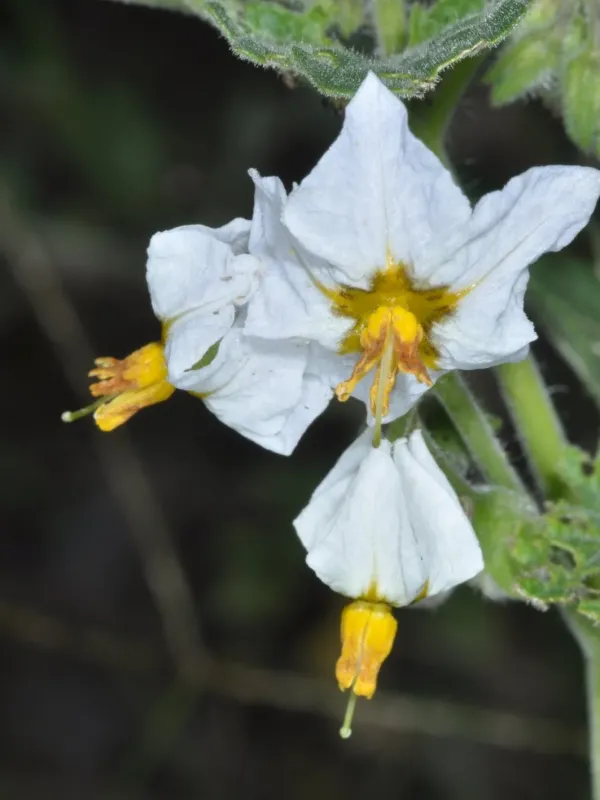
Description
Sowing dates
Tweedie's nightshade (Solanum tweedieanum) is a perennial plant of the Solanaceae family, and its propagation timing depends on the climatic zone. In temperate regions, sowing seeds indoors begins in late winter or early spring to ensure a sufficient growth period.
When using vegetative propagation, cuttings are taken during the active growth phase, typically in late spring or early summer. Cuttings should contain well-developed nodes, as this facilitates faster rooting in the growing medium.
Soil preparation is essential; the ground must warm up to at least 15 degrees Celsius before transplanting seedlings outdoors. Planting in the final location should only occur after the risk of late spring frosts has completely passed.
The seeds of this species have moderate germination rates, so pre-soaking in growth stimulants is recommended. Sowing depth should not exceed one centimeter to ensure even and timely emergence of sprouts.
To provide optimal conditions for early development, indoor temperatures should be maintained between 20 and 22 degrees Celsius. Sufficient light exposure is crucial to prevent the seedlings from becoming leggy and weak.
Growing requirements
Originating from South American regions, this plant has high demands regarding temperature and sunlight. Tweedie's nightshade thrives best in areas protected from cold winds and extreme temperature fluctuations throughout the season.
Soil requirements involve using loose, well-draining substrates with a neutral or slightly acidic pH balance. Stagnant moisture in the root zone is detrimental to this species, making proper drainage control vital.
During the active growth stage, the plant requires regular but moderate watering, avoiding waterlogging. Mineral fertilizers containing nitrogen, phosphorus, and potassium should be applied in stages according to the plant's vegetation phases.
Mulching the root zone is recommended to maintain stable soil moisture and temperature. In very hot conditions, Tweedie's nightshade may benefit from light shading to prevent leaf scorch and dehydration.
The plant demonstrates moderate resistance to short drought periods, but for optimal development, it is necessary to maintain relative air humidity at around 60 to 70 percent, especially in greenhouse environments.
Main diseases and pests
Like many members of the Solanaceae family, this species is susceptible to typical fungal diseases such as late blight and various leaf spots. Pathogen development is often triggered by excessive moisture and poor air circulation.
The main pests that threaten Tweedie's nightshade include aphids, spider mites, and whiteflies. These insects can cause significant damage by sucking sap from the leaves, which inhibits the plant's overall photosynthetic process.
Disease prevention involves following crop rotation practices and promptly removing plant debris that could harbor infections. It is important to avoid overcrowding plants to ensure adequate ventilation between specimens.
When pest infestations are detected, it is recommended to use biological controls or selective insecticides. Regular inspection of the undersides of leaves allows for the early detection and management of pest colonies.
Following proper agricultural practices, including balanced watering and timely fertilization, significantly improves the plant's natural immune system. A healthy plant is far more resilient against pest attacks and infectious diseases.