
Tragia volubilis
Tragia volubilis
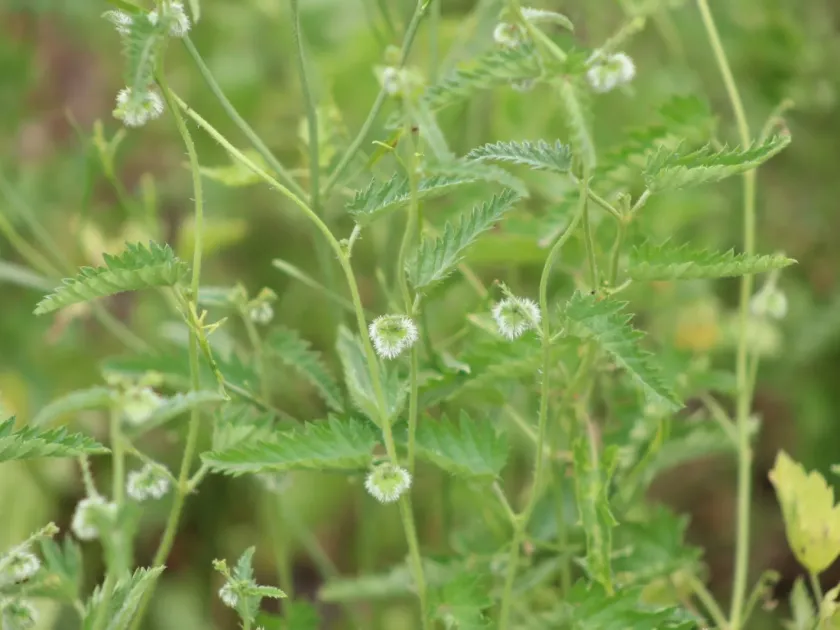
Description
Growing requirements
Successful cultivation of Tragia volubilis requires well-drained, fertile soil that maintains consistent moisture without becoming waterlogged. Drainage is critical for preventing root diseases that frequently affect this genus in poorly ventilated conditions.
Climate requirements include high temperatures and adequate sunlight, although partial shade is often preferred to prevent the leaves from scorching. As a tropical plant, it does not tolerate frost and must be maintained in greenhouses if grown outside its native range.
Agricultural practice necessitates the installation of sturdy trellises or netting to accommodate the climbing habit. Without proper vertical support, the plant's growth will be hindered, and its overall biomass yield will be significantly reduced.
Watering should be managed through sub-irrigation or base-directed drip irrigation to keep the foliage dry. High humidity levels are generally beneficial, provided that air circulation remains sufficient to prevent the development of mold or fungal spores on the plant surface.
Fertilization should be balanced, focusing on promoting both vegetative growth and root health. Regular monitoring of pH levels in the soil is recommended to ensure that the plant can efficiently absorb necessary micronutrients for healthy development.
Main diseases and pests
Common pests include spider mites and whiteflies, which thrive in the warm, enclosed environments where Tragia volubilis is often kept. These pests can rapidly colonize the undersides of leaves, leading to chlorosis and potential plant death if not treated early.
Fungal diseases, such as powdery mildew and various leaf spots, are significant threats during periods of high humidity and poor ventilation. Prompt removal of infected leaves and improved airflow are the primary methods for managing these issues.
Leaf-chewing insects can damage the protective hairs, making the plant more susceptible to secondary infections. Integrated pest management using organic sprays is often preferred to maintain the integrity of the plant's chemical profile.
Root rot is a major risk associated with overwatering or poor drainage systems. This pathogen can be devastating for the plant, as it progresses unnoticed until significant wilting occurs on the aerial parts.
Preventive maintenance involves regular inspections and the prompt sanitation of tools. Keeping the growing area clean and free of decaying debris reduces the risk of attracting pests or providing a breeding ground for fungal pathogens.