
Tragia involucrata
Tragia involucrata
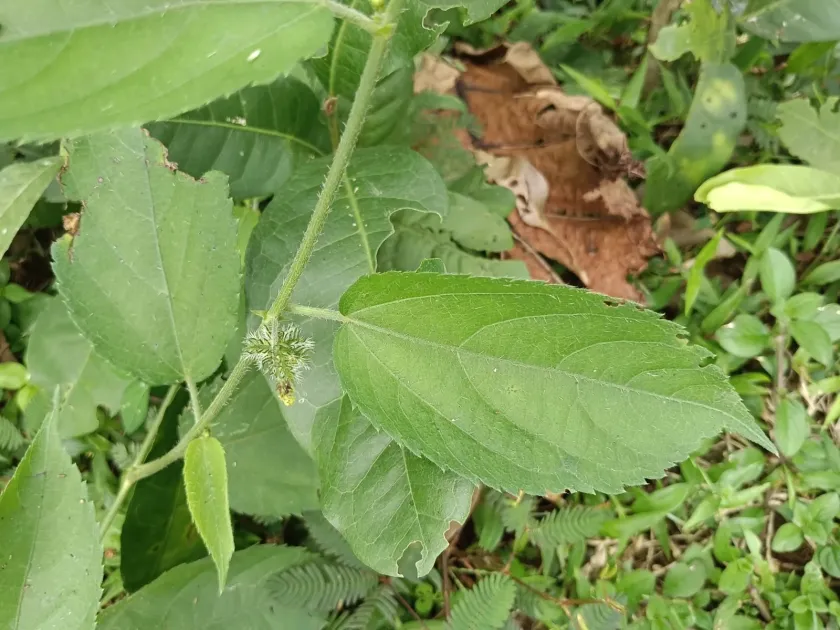
Description
Sowing dates
Sowing of Tragia involucrata typically occurs at the beginning of the rainy season to ensure sufficient moisture for seed germination and initial seedling development.
Seeds should be planted at a shallow depth, not exceeding two centimeters, as they require consistent contact with moist soil to break dormancy and sprout effectively.
In regions with fluctuating temperatures, using a greenhouse or a nursery setting for initial propagation is recommended to maintain a steady thermal environment around 25 degrees Celsius.
Proper spacing between rows, usually about half a meter, is essential to allow for adequate ventilation and to facilitate future maintenance and harvesting operations.
The soil preparation process involves thorough tilling and the incorporation of organic matter to provide a nutrient-rich foundation for the young plants to establish their root systems.
Growing requirements
Tragia involucrata belongs to the Euphorbiaceae family and is recognized for its unique, stinging, hair-covered stems, which are a characteristic defensive mechanism of the species.
The crop thrives in well-drained, fertile soils with a neutral pH, and it requires full sunlight to maximize the production of its bioactive secondary metabolites.
Water management is critical; while the plant requires regular irrigation to support its growth, it is sensitive to waterlogged conditions that can cause root rot.
As a climbing species, it may benefit from physical support structures such as trellises, which improve light interception and ensure cleaner harvesting of the aerial parts.
Occasional fertilization with balanced nitrogen-rich compounds during the peak vegetative phase promotes vigorous stem development and increases total biomass output.
Yield
The yield of Tragia involucrata is highly dependent on environmental conditions, soil fertility, and the frequency of harvests performed throughout the growing season.
Consistent biomass production is achievable through regular pruning, which encourages side-branching and keeps the plant in a continuous state of vegetative growth.
Advanced agricultural techniques, including fertigation, can significantly enhance the quantity and quality of the medicinal raw materials extracted from the plants.
Monitoring the growth cycle ensures that the harvest is timed when the concentration of key phytochemicals reaches its peak, maximizing the economic value of the yield.
Efficient post-harvest management, including rapid drying of the cut stems, is necessary to prevent degradation and to maintain the potency of the harvested biomass.
Main diseases and pests
Common pests affecting this crop include spider mites and aphids, which feed on the sap and can lead to stunted growth and reduced overall plant vitality if untreated.
Fungal diseases like powdery mildew may appear during periods of high humidity or poor airflow, potentially damaging the quality of the foliage and stems.
Integrated pest management strategies are encouraged, focusing on biological controls and regular field inspections to detect infestations before they escalate.
Maintaining a clean field environment by removing debris and weeds helps reduce the reservoir of pests and diseases that could threaten the Tragia involucrata crop.
If chemical intervention is necessary, selective and environmentally friendly pesticides should be used to protect both the plant and the surrounding ecosystem's health.
Harvesting
Harvesting is usually done manually, and due to the plant's stinging hairs, personnel must wear protective clothing to prevent skin irritation and allergic reactions.
The stems are typically cut in the early morning, just as the plants begin to reach their flowering stage, to preserve the highest quality of the aerial parts.
After collection, the raw material should be dried in a well-ventilated, shaded area to prevent direct sunlight from oxidizing the active chemical compounds.
Once properly dried, the crop should be packaged and stored in a cool, dry place to ensure longevity and maintain the purity of the raw botanical material.
Tragia involucrata is primarily utilized in traditional medicine, making careful handling and processing essential for meeting industry quality standards.