
Tragia cannabina
Tragia cannabina
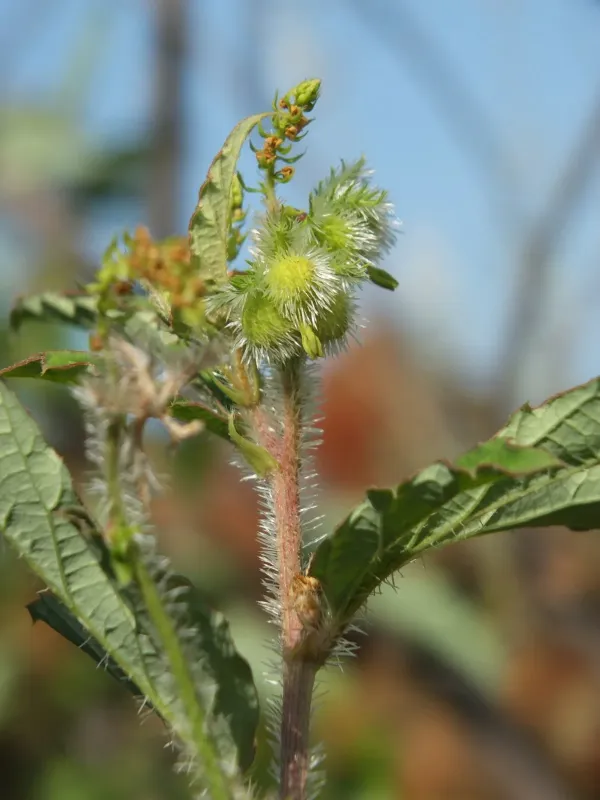
Description
Sowing dates
Tragia cannabina is a perennial herbaceous plant belonging to the Euphorbiaceae family. This species is characterized by its specific environmental adaptation, typically requiring warm and stable climates to thrive throughout its growth cycle.
Sowing should be performed in well-warmed soil, as the species is highly sensitive to cold temperatures and frost during the germination phase. Adequate preparation of the seedbed is essential to promote uniform emergence and establish a vigorous crop stand.
Seeds are usually sown at a depth of 1–2 cm, maintaining sufficient spacing between rows to facilitate airflow and prevent overcrowding. Proper spacing also simplifies weed control and maintenance throughout the active growing period.
The selection of a site with good soil temperature retention is crucial for successful establishment. In many cases, covering the seeded area can help regulate temperature and protect the young sprouts from unexpected weather fluctuations.
Seed treatment before sowing is recommended to improve germination vigor and provide initial protection against soil-borne pathogens. Following these practices ensures a healthy start for the crop and sets the foundation for high productivity.
Growing requirements
This crop prefers well-drained, sandy loam or light soil types with a neutral to slightly acidic pH level. Stagnant water and heavy, waterlogged soils must be avoided as they pose a severe risk of root rot and overall plant decline.
Tragia cannabina requires intensive sunlight to support robust vegetative growth and the accumulation of desired phytochemical components. Excessive shade can lead to stem lodging and diminished biomass quality, negatively impacting the crop's economic value.
Water requirements are moderate, with a need for consistent moisture during the peak growth phases. However, excessive irrigation, especially during flowering, should be avoided to prevent fungal infections and maintain the structural integrity of the plant.
The optimal temperature range for the development of this species is between 20°C and 30°C. Temperature extremes can trigger physiological stress, reducing the plant's overall vitality and potentially affecting the quality of the harvested materials.
Nutrient management should be based on soil testing, focusing on a balanced application of nitrogen, phosphorus, and potassium. Avoiding excessive nitrogen application is key to preventing succulent but weak growth that is susceptible to lodging and pests.
Yield
Yield performance in Tragia cannabina is heavily influenced by site selection, soil fertility, and the strict adherence to agronomic guidelines. Achieving maximum yield requires consistent monitoring of plant health and physiological stages.
The timing of the harvest is critical and should be aligned with the peak accumulation of active compounds in the plant tissue. Harvesting too early or too late can lead to lower quality and reduced market value for the harvested biomass.
Mechanical harvesting techniques have been adapted for large-scale operations to ensure efficiency. Adjusting equipment height is essential to minimize soil impurities and preserve the quality of the gathered raw material.
Post-harvest processing steps, such as cleaning and drying, must be performed immediately to prevent degradation. A well-managed processing chain ensures the product maintains its integrity from the field to the final consumer.
While yields are generally moderate, the potential for secondary processing and value-added products makes Tragia cannabina an attractive option for specialized agricultural production systems.
Main diseases and pests
Fungal diseases, including powdery mildew, are among the primary threats, especially in humid conditions with poor ventilation. Implementing proper crop spacing and moisture management is the first line of defense against these pathogens.
Pests such as spider mites and aphids can cause significant damage to foliage, resulting in reduced photosynthetic area and weakened plants. Regular scouting is required to detect early infestations and apply appropriate management measures.
Root rot remains a major threat when planting in improperly drained soils. Preventing this issue relies on choosing appropriate sites and ensuring that the soil structure supports deep root penetration without water accumulation.
Weed competition can significantly depress yields, particularly during the early vegetative stages. Mechanical weeding or the judicious use of selective herbicides can help maintain clean fields and reduce stress on the main crop.
An integrated pest management (IPM) approach is recommended, combining cultural, biological, and chemical methods to effectively control threats while minimizing the ecological footprint on the farming system.
Harvesting
The harvest should occur when the plants reach their technical maturity phase. Harvesting in dry weather conditions is preferred, as it simplifies the drying process and prevents moisture-related storage problems.
The use of professional mowing equipment allows for high-precision cutting, which ensures that only the required vegetative parts are gathered. This precision preserves the plant's resources and enhances the quality of the harvested produce.
Immediate transportation to drying facilities is essential to avoid mass heating or fermentation of the raw material. Proper cooling and airflow are vital during this initial stage to preserve the color and chemical properties.
Storing the dried product in climate-controlled environments is necessary to prevent spoilage and maintain high-quality standards over the winter period. Routine inspection of stored batches is a standard industry practice.
Final quality checks before packaging ensure that the product meets the specifications required by the market, thereby securing the best value for the farmer's efforts.