
Tragia betonicifolia
Tragia betonicifolia
Description
Growing requirements
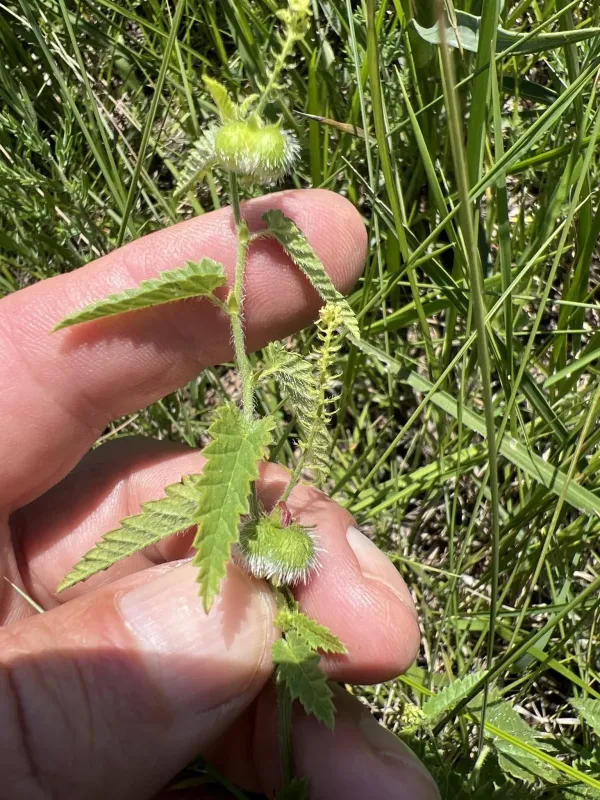
Tragia betonicifolia is a perennial herbaceous plant belonging to the Euphorbiaceae family. The species is characterized by the presence of stinging hairs on its foliage and stems, a unique physiological defense mechanism common to the Tragia genus, which requires careful handling.
The plant originates from the tropical regions of South America, primarily within Brazil. It thrives in open, sunny environments, typically found in areas with well-drained soils where competition for light is minimal, making it a sun-loving crop for agricultural settings.
Successful cultivation requires soil that possesses excellent drainage capacity. Sandy loams or light, porous soils are preferred, as the plant is highly susceptible to root damage caused by waterlogging. A slightly acidic to neutral soil pH provides the best nutrient availability.
The climate must be warm and humid, mimicking its native habitat. Ideal growth occurs at temperatures ranging between 20°C and 30°C. In environments outside its natural range, greenhouse conditions are essential to maintain stable warmth and protect the crop from chilling or frost damage.
Regarding its utility, this plant is primarily valued for its pharmacological potential. It serves as a subject of botanical research due to its secondary metabolites, which are of interest for the production of specialized pharmaceutical compounds and herbal preparations.
Main diseases and pests
The most significant pathological threat to this crop is fungal root rot, which typically occurs during periods of excessive soil moisture or poor drainage. These pathogens target the root system, causing rapid tissue necrosis and eventually killing the plant if not addressed early.
Insect pests, particularly spider mites and aphids, pose a consistent risk to the leaf canopy. These organisms feed on plant fluids, leading to stunted growth and reduced vigor. Continuous monitoring of the lower leaf surfaces is necessary to detect infestations before they spread.
Preventive measures include maintaining optimal air circulation through strategic planting densities. Reducing humidity levels during cooler nights is a critical management practice to inhibit the growth of mildew and other moisture-loving fungal spores that affect aerial parts.
Biological control strategies are preferred to maintain the integrity of the herbal material. The introduction of natural predators of spider mites and the use of botanical extracts are standard practices to minimize chemical residue on the harvested leaves and stems.
Sanitation practices are vital in a field of Tragia betonicifolia. All infected material must be removed and destroyed to prevent the cycling of inoculum. Maintaining a clean field environment significantly reduces the need for aggressive chemical interventions.