
Tragia mercurialis
Tragia mercurialis
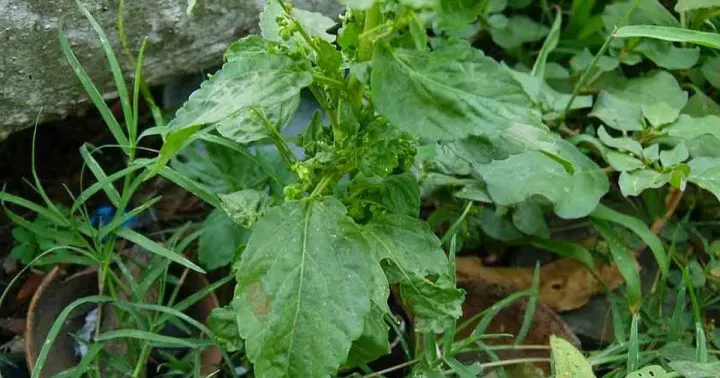
Description
Growing requirements
Tragia mercurialis is a notable herbaceous species within the Euphorbiaceae family, widely recognized for its stinging hairs that cover the stems and leaves. This plant typically completes its life cycle within a single season, acting as a resilient annual herb in tropical environments.
Originating from parts of India and surrounding regions, it has adapted to diverse tropical ecosystems. It often functions as a pioneer species on fallow land, demonstrating significant success in colonizing disturbed soils across its native range.
The climate requirements for this species are strictly tropical, characterized by consistent warmth and distinct wet and dry seasons. It thrives in high-light intensity environments, where it can maximize photosynthesis and vegetative growth.
Regarding soil preferences, the plant favors well-drained, nutrient-permeable soils. While it can tolerate soil degradation better than many food crops, it reaches peak productivity in loamy substrates with adequate organic content for sustained development.
Its economic importance lies in ethnobotanical applications, specifically in traditional medicine systems. Extracts of the plant are studied for their potential therapeutic benefits, including wound healing properties and management of inflammatory skin conditions.
Main diseases and pests
Tragia mercurialis possesses inherent chemical defenses, such as latex and secondary metabolites, which serve as natural barriers against many generalist insect herbivores. This chemical profile generally reduces the frequency of major pest outbreaks.
Despite these defenses, fungal pathogens, particularly those causing leaf spot diseases, can become problematic during prolonged rainy periods. Proper spatial management and ensuring adequate air drainage are critical to mitigating these risks.
Minor infestations by sap-sucking insects, such as aphids or whiteflies, may occur under stressed conditions, particularly in arid climates or during dry spells. IPM strategies focusing on natural predators are usually effective for control.
Root rot remains a concern primarily in poorly drained fields, where stagnant water inhibits oxygen uptake by the roots. Maintaining soil structure is essential for the long-term health of the plant population.
Monitoring for signs of nutrient deficiency or viral symptoms is advised, although the species is relatively robust. Strategic weeding in the early stages of plant establishment remains the most effective form of preventative crop management.