
Tragia senegalensis
Tragia senegalensis
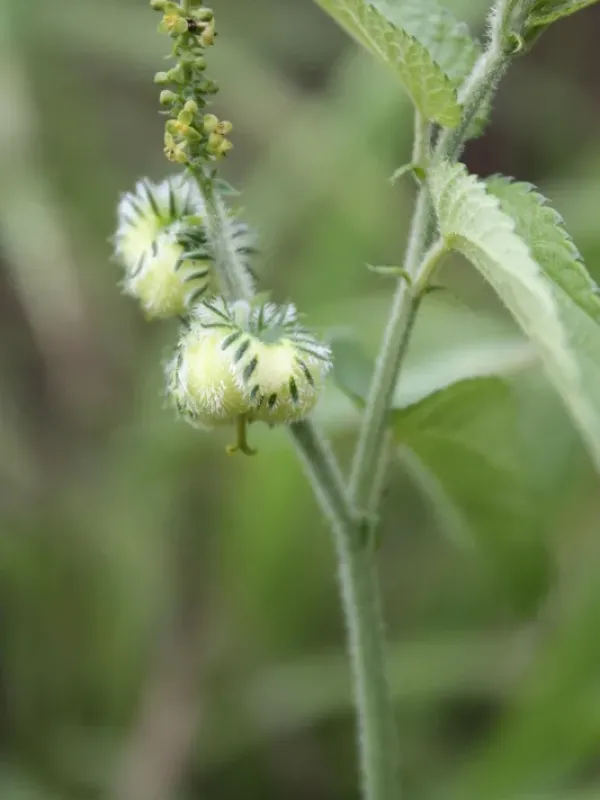
Description
Growing requirements
Tragia senegalensis is a perennial herbaceous plant belonging to the Euphorbiaceae family, widely distributed across the tropical regions of West and Central Africa. The plant is well-known in its native range for its stinging hairs, which act as a defense mechanism against herbivores and require careful handling during agricultural operations.
The morphology of the plant includes simple, alternate leaves and a branching stem structure that allows it to thrive in diverse habitats, ranging from savannah edges to secondary forests. As a tropical crop, it is naturally adapted to high temperatures and consistent photoperiods typical of equatorial environments.
Optimal growth for Tragia senegalensis is achieved in environments with temperatures ranging between 25°C and 30°C. The species lacks cold tolerance, and even minor frost exposure can cause severe damage to the plant's vascular tissue, making it strictly suitable for tropical or controlled indoor cultivation in temperate regions.
Regarding soil requirements, the plant prefers well-drained, porous soils that prevent root rot. Soil acidity should be maintained near a neutral range to ensure the bioavailability of essential nutrients. Amending the soil with compost can significantly enhance the yield of its aerial parts, which are the primary focus of harvest.
Economically, this species is highly valued for its secondary metabolites found within its leaves and roots. Local populations utilize these extracts in traditional medicine for their therapeutic properties. Ongoing research into the phytochemical profile of this plant suggests its potential utility in modern pharmacological developments as a source of novel anti-inflammatory compounds.