
Tragia ramosa
Tragia ramosa
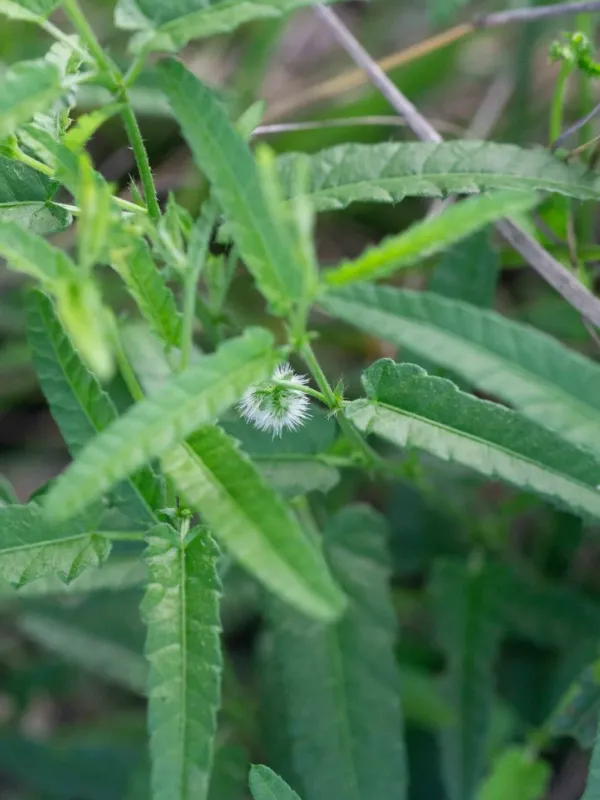
Description
Growing requirements
Tragia ramosa, commonly known as branching noseburn, is a herbaceous perennial species within the Euphorbiaceae family. It is native to the arid and semi-arid regions of North America, where it thrives in challenging environmental conditions.
The plant demonstrates remarkable drought tolerance, adapted to sandy, rocky, or gravelly soils with excellent drainage. It requires full sunlight exposure to maintain its vigorous growth and is highly resistant to heat stress.
Botanically, Tragia ramosa is characterized by its branching stems covered in stinging hairs, which act as a defense mechanism against herbivores. The leaves are typically alternate, often displaying lanceolate shapes with serrated margins.
Requirements for cultivation include minimal irrigation and poor-to-moderate nutrient soils. The plant's deep taproot system allows it to access water deep within the soil profile, making it a viable candidate for land restoration projects.
While not a traditional broad-acre crop, its potential lies in ecological engineering. It is valued for its ability to bind soil in degraded landscapes and contribute to the biodiversity of xerophytic plant communities.
Main diseases and pests
Root rot is the most significant threat to Tragia ramosa, usually occurring in areas with poor drainage or during prolonged periods of excessive rainfall. Managing soil moisture is critical to the survival of this species.
Pests such as spider mites and various aphid species are known to infest the foliage. Due to the plant's stinging hairs, manual inspection must be conducted with protective equipment to avoid contact dermatitis.
Fungal diseases, particularly those affecting the leaves in humid weather, can cause significant damage. Maintaining adequate plant spacing is essential to ensure proper air circulation and reduce disease pressure.
Competition from invasive weeds during the seedling stage can significantly suppress growth. Early-season weeding is mandatory to allow the plant to establish its root system properly.
Viral pathogens may cause mosaic symptoms and leaf curling, affecting the plant's overall biomass production. Strict adherence to clean planting material and isolation from other Euphorbiaceae hosts is recommended for healthy growth.