
Tournefortia poliochros
Tournefortia poliochros
Description
Growing requirements
Tournefortia poliochros belongs to the Boraginaceae family, a diverse group of plants known for their distinctive glandular hairs and specific ecological niches. This species is native to regions with warm climates where sunlight is abundant throughout the year.
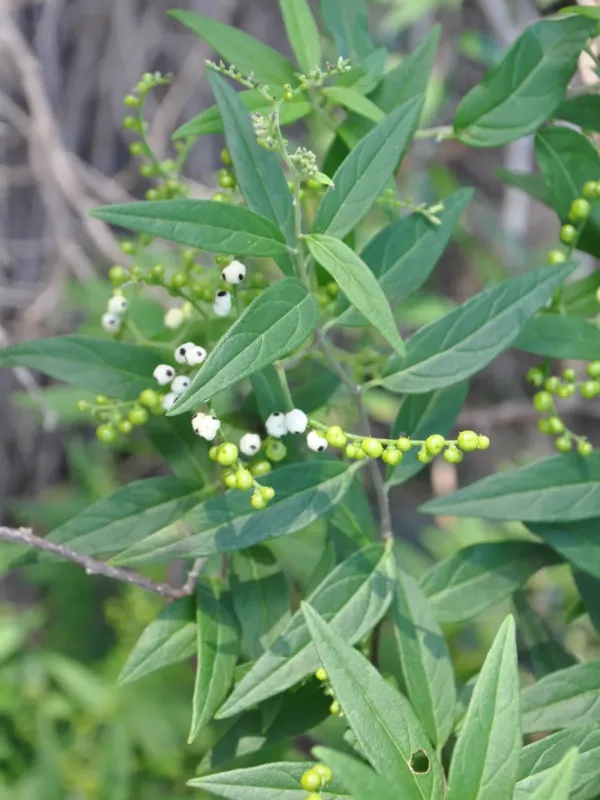
The botanical identity of this plant is defined by its characteristic greyish pubescence. This dense covering of hairs serves as a critical evolutionary adaptation, helping the plant to survive in high-heat environments by increasing solar reflectance and reducing water loss through transpiration.
When cultivating Tournefortia poliochros, the primary requirement is a well-draining soil substrate. The root system is highly susceptible to hypoxia if the soil becomes compacted or waterlogged, which necessitates the use of sandy or loamy soil mixes for container or field growing.
Environmental conditions must emphasize high light intensity. Without sufficient exposure to full spectrum light, the plant loses its signature foliage color and structural integrity, leading to etiolation and diminished physiological health.
Thermal stability is a prerequisite for successful growth. Being a frost-sensitive plant, it requires consistent ambient temperatures to maintain metabolic rates. Producers should ensure that the growing environment does not drop below moderate temperatures to avoid irreversible cellular damage.