
Tournefortia cuspidata
Tournefortia cuspidata
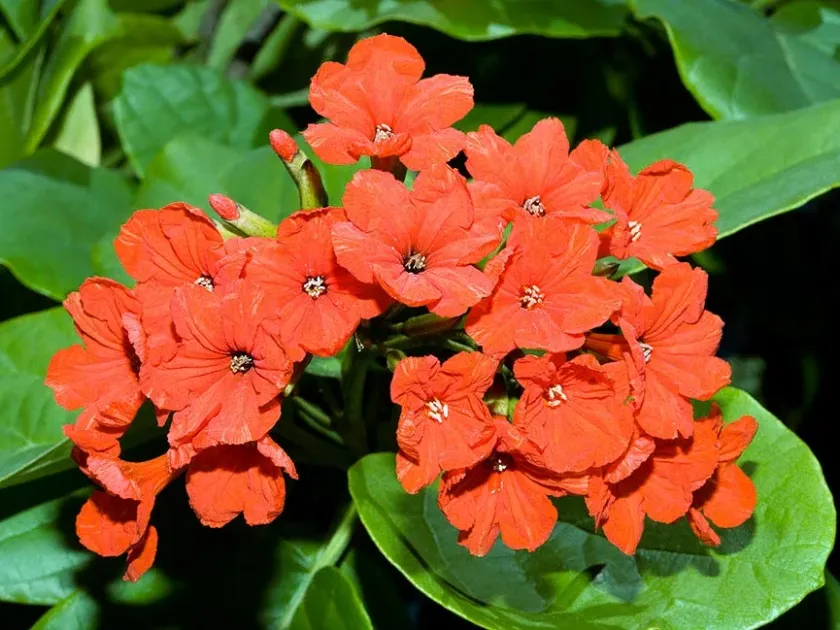
Description
Growing requirements
Tournefortia cuspidata is a specialized shrub species belonging to the Boraginaceae family. Originally native to South American tropical landscapes, it has adapted to specific ecological niches that require high humidity and consistent warmth throughout the year.
The plant thrives in well-draining soil types, typically rich in organic matter. Agricultural success with this species depends on preventing waterlogging, which can lead to severe root issues. It performs best in partial shade, mimicking the understory environments of its native habitat.
Botanically, Tournefortia cuspidata is identified by its pointed, lanceolate leaves and unique coiled inflorescences that attract various pollinators. These structures are typical markers of the Boraginaceae family and play a vital role in the plant's reproductive success in the wild.
Cultivation practices involve carefully monitored irrigation schedules to maintain soil moisture without saturating the root zone. Furthermore, the species requires protection from cold winds and frost, as it is highly sensitive to temperature fluctuations below its natural physiological limits.
The economic value of this crop is largely concentrated in botanical research and potentially the pharmaceutical extraction of alkaloids. Currently, it is not a large-scale commodity crop but rather an experimental species in greenhouse production systems.
Main diseases and pests
Primary threats to Tournefortia cuspidata involve fungal pathogens that target the root system, particularly in poorly ventilated greenhouse environments. Overwatering significantly increases the susceptibility to root rot, leading to quick decline of the plant.
Insect pests such as spider mites and whiteflies are frequent threats that thrive in dry or poorly managed conditions. These pests feed on the cell sap, causing chlorosis and structural damage to the foliage, which negatively impacts plant vigor.
Integrated pest management (IPM) is essential for maintaining health in commercial stocks. This includes using physical barriers, biological controls like predatory mites, and judicious use of pesticides when infestation levels exceed economic thresholds.
Sanitation practices are critical; removing infected plant debris helps prevent the spread of localized pathogens. Ensuring proper airflow between plants is a fundamental strategy to keep humidity levels balanced and inhibit fungal spore germination.
Consistent monitoring and early detection of stressors are key factors for productive cultivation. By maintaining optimal nutrient levels and environmental parameters, growers can minimize the need for heavy chemical treatments and preserve plant quality.