
Tournefortia arborescens
Tournefortia arborescens
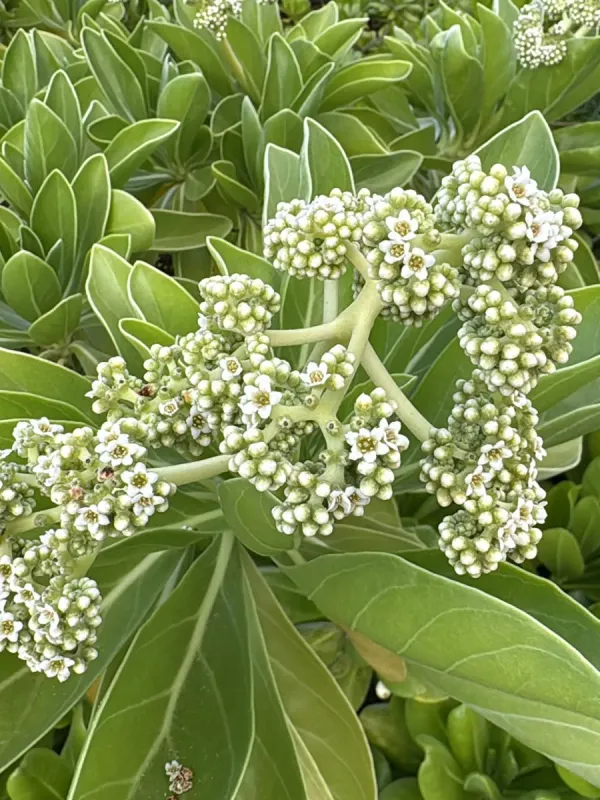
Description
Growing requirements
Tournefortia arborescens is a perennial shrub belonging to the Boraginaceae family. This species is recognized for its woody structure and its role in tropical botanical ecosystems, often utilized in specialized collections for its unique floral characteristics.
The plant originates from the tropical and subtropical regions of the Americas. Its natural habitat is characterized by consistent warmth and high humidity levels, which must be replicated in any controlled environment or greenhouse setting to ensure proper plant development.
The species requires well-drained, fertile soil with an slightly acidic to neutral pH level. Effective drainage is paramount, as the root system is susceptible to decay if exposed to waterlogged conditions for extended periods.
Regarding climate, the plant is strictly frost-intolerant. It thrives in temperatures ranging from 20°C to 28°C. Protecting the plant from cold drafts and sudden temperature fluctuations is essential for maintaining leaf health and overall vigor.
Agronomic management includes a structured irrigation schedule that keeps the substrate consistently moist but not saturated. Complementary applications of NPK fertilizers during the peak growing season support healthy foliage production and structural development.
Main diseases and pests
The primary pathological threats include root and collar rot, which are often triggered by overwatering or poor substrate aeration. These fungal pathogens can cause rapid decline if not managed through immediate drainage correction.
Pests such as spider mites, aphids, and mealybugs are the most common adversaries in enclosed cultivation. These insects thrive in environments with low humidity, making climate control the first line of defense in pest management.
Integrated pest management protocols, including the use of systemic insecticides and neem oil treatments, are effective at maintaining population levels below the threshold of economic damage. Regular scouting is required to identify early signs of infestation.
Fungal leaf spot diseases may appear if there is poor airflow around the foliage. Ensuring adequate space between individual plants and maintaining correct ventilation is critical for minimizing the spread of airborne spores.
Sanitation practices, such as pruning damaged tissues and removing plant debris, play a vital role in preventing the development of disease reservoirs. Maintaining clean equipment and tools is also a mandatory part of long-term crop protection.