
Tournefortia bicolor
Tournefortia bicolor
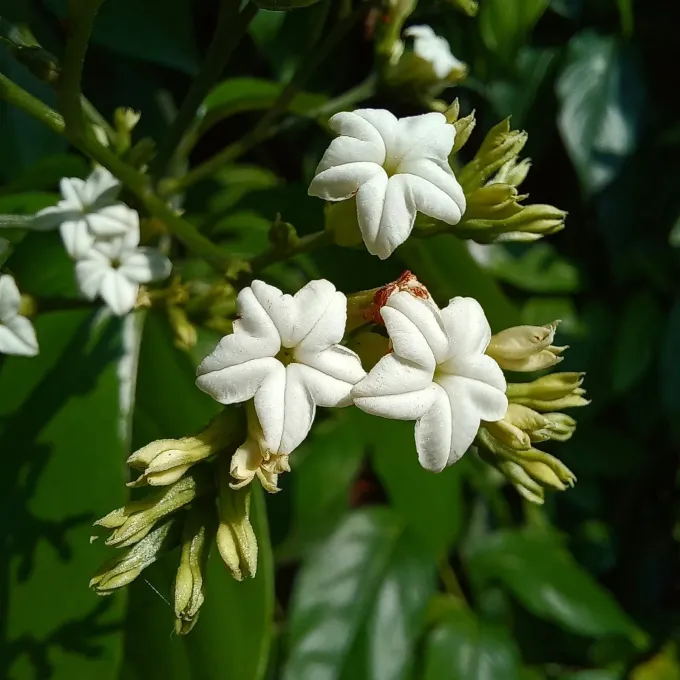
Description
Growing requirements
Tournefortia bicolor is a woody plant species belonging to the Boraginaceae family. Originating from the tropical regions of Central and South America, it thrives in environments that mimic its native moist forest habitat.
Climatic requirements for this species include high humidity levels and constant warmth. It is strictly a frost-sensitive plant, requiring protected cultivation environments such as greenhouses when grown outside its natural tropical range.
The soil must be fertile, well-draining, and rich in organic matter to support healthy growth. Agronomists recommend a substrate that maintains high moisture retention while allowing sufficient gas exchange for the root system.
Cultivation practices involve regular, controlled irrigation and the maintenance of a consistent temperature range, ideally between 22 and 28 degrees Celsius. Proper nutrition management is essential during the active vegetative growth phase.
Botanically, the species is known for its distinct foliage characteristics and its ability to adapt to understory conditions. Ensuring adequate but indirect light is necessary to maintain the health and color intensity of the leaves throughout the growing season.