
Tournefortia paniculata
Tournefortia paniculata
Description
Growing requirements
Tournefortia paniculata is a perennial woody plant species belonging to the Boraginaceae family. It is native to the tropical regions of South America, where it thrives in warm, humid conditions that support its structural development.
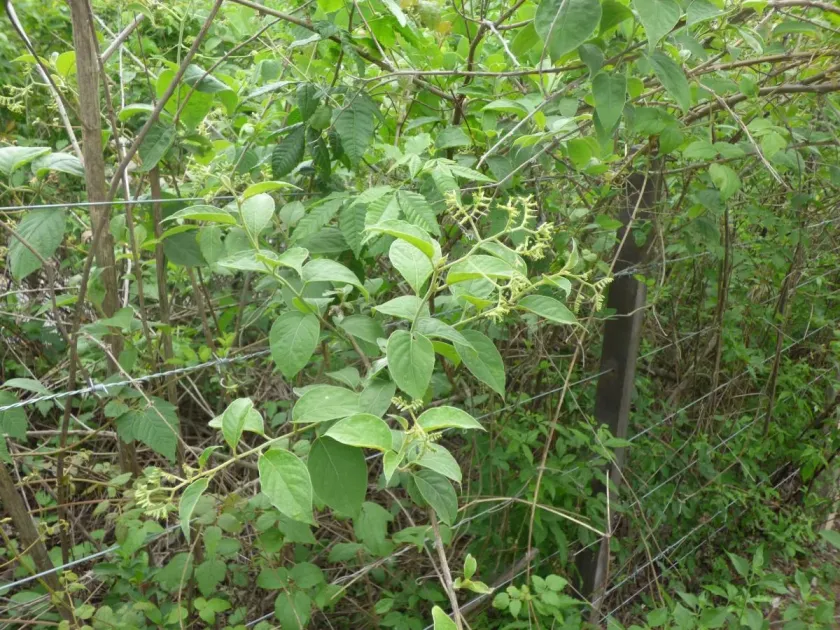
Botanically, the plant presents as a shrub or small tree characterized by distinctive paniculate inflorescences. The foliage is typically textured, often bearing fine hairs that help the plant manage transpiration under high-intensity light common in its native habitat.
The climate requirements for this species are strictly tropical, necessitating year-round warmth and avoiding frost at all costs. In agricultural contexts outside of its native range, it requires greenhouse cultivation with precise environmental controls for temperature and humidity.
Soil requirements involve well-draining, nutrient-rich substrates. The plant is sensitive to waterlogged conditions, which can lead to rapid decay of the root system. Proper drainage is therefore a critical component of the cultural management for this species.
Agricultural use of Tournefortia paniculata is primarily academic and specialized. Researchers study this species for its chemical compounds, as many plants within the Boraginaceae family are known to contain secondary metabolites of interest for botanical and pharmaceutical research.