
Tournefortia meyeri
Tournefortia meyeri
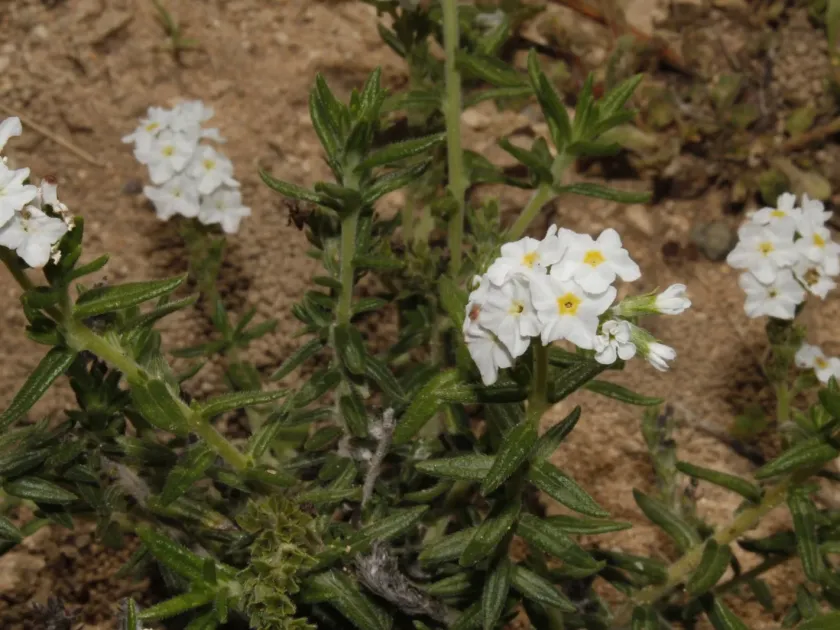
Description
Growing requirements
Tournefortia meyeri is a perennial plant belonging to the Boraginaceae family. Originally native to tropical regions, this species is characterized by its specific adaptation to stable, warm environmental conditions and requires careful cultivation management.
The plant thrives in well-drained, nutrient-rich soil that allows for consistent aeration of the root system. It is sensitive to waterlogging, which often leads to rapid decline, making the selection of a substrate with high permeability a primary agronomic requirement.
Regarding climatic needs, Tournefortia meyeri demands high temperatures and moderate to high humidity levels. Cultivation in temperate zones is restricted to greenhouses or controlled indoor environments where frost and cold drafts can be completely excluded.
Lighting is a crucial factor for the healthy development of this crop. While it requires bright light, protection from intense midday sun is advised to prevent leaf scorch, which can negatively impact the overall yield and aesthetic quality of the plant.
Agronomic maintenance includes regular balanced fertilization during the peak growing season to support continuous foliage production. Monitoring the growth stage is vital to adjust watering and nutrient delivery according to the plant's metabolic demands.
Main diseases and pests
The primary threats to Tournefortia meyeri are fungal pathogens, specifically those causing root rot. Excessive moisture combined with poor ventilation creates an ideal environment for these pathogens to proliferate and destroy the plant's vascular system.
Insect pests such as spider mites and mealybugs present a continuous challenge in controlled environments. These pests thrive in dry conditions and can quickly colonize the undersides of leaves, causing structural damage and hindering photosynthesis.
Aphid infestations are also common and can transmit secondary viral pathogens. Early detection through regular crop scouting is essential, allowing for immediate intervention with targeted biological or chemical control agents.
Foliar diseases, including powdery mildew, frequently occur when air circulation is inadequate. Implementing fans and ensuring proper spacing between plants are effective preventive measures that reduce the need for synthetic fungicide application.
To mitigate these threats, integrated pest management (IPM) practices should be utilized. This involves maintaining optimal humidity levels, ensuring sanitation of all cultivation tools, and conducting frequent plant health audits to prevent the spread of localized outbreaks.