
Tetraena simplex
Tetraena simplex
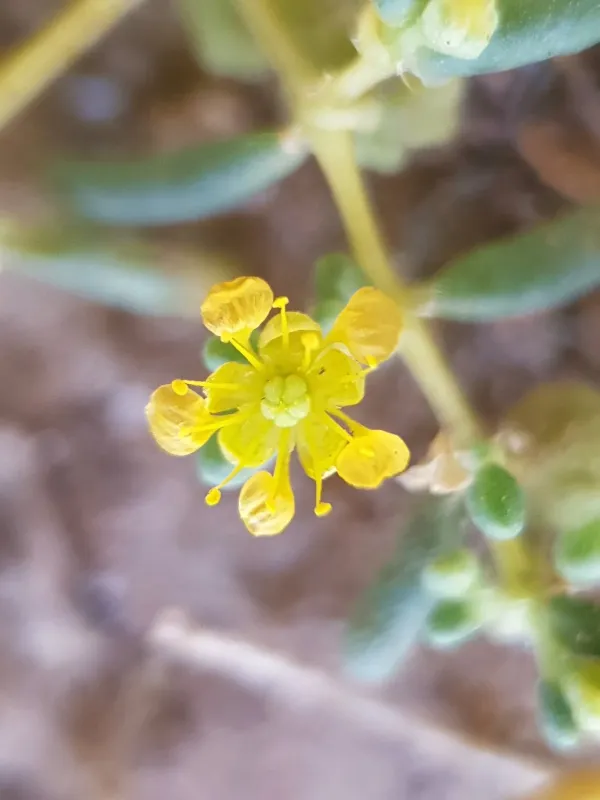
Description
Sowing dates
The sowing schedule for Tetraena simplex is dictated by the arrival of stable, high temperatures. As a heat-loving plant, the seeds require significant thermal accumulation in the soil to initiate germination, making spring or early summer the ideal time for sowing.
Field preparation involves creating a loose, well-draining surface. Due to the small size of the seeds, they should be placed at a shallow depth to ensure they can break through the soil surface without exhausting their stored energy reserves.
Optimal spacing is required to ensure that plants have access to sufficient soil moisture and nutrients. Overcrowding can lead to stunted growth, as the root systems of mature Tetraena plants compete aggressively for water in the deep soil profiles.
Water management during the sowing phase is delicate. While initial irrigation may be provided to jump-start the germination process, excess water must be avoided to prevent seed rot, as the species is evolved to endure dry conditions from the seedling stage.
After the establishment phase, the crop requires very little maintenance. Its ability to extract moisture from deep layers of the ground makes it a highly independent plant, reducing the need for continuous input from farm management.
Growing requirements
Tetraena simplex is a distinct herbaceous plant belonging to the Zygophyllaceae family. It is naturally adapted to the harsh environmental conditions of arid zones, ranging from Northern Africa across the Middle East to South Asia.
Botanically, it is classified as a succulent, possessing specialized fleshy tissues that allow for significant water storage. This physiological adaptation is essential for survival in environments where rainfall is scarce and highly unpredictable throughout the year.
The crop thrives in sandy, stony, or saline soils where other plants typically fail to establish. Its ability to tolerate high soil salinity makes it a subject of interest for sustainable agricultural projects aimed at reclaiming degraded desert lands.
Climate requirements include intense solar radiation and high ambient temperatures. The species is extremely sensitive to cold and humidity, which limits its successful cultivation to hot, arid geographical zones where frost is absent.
Economically, Tetraena simplex serves primarily as a forage plant. It is frequently grazed by camels and small ruminants in desert regions, providing essential nutrients during the dry season when more palatable vegetation disappears.
Main diseases and pests
The primary threats to Tetraena simplex are not typically diseases, but rather parasitic plants that may target its root system in the desert environment. Monitoring the health of the plants is essential during the early stages of growth.
Insect pests, such as various species of desert locusts, can occasionally cause damage to the succulent foliage. While the plant has defensive chemical compounds, significant infestations can reduce the available biomass for grazing livestock.
Fungal pathogens are rarely an issue unless the plants are grown in areas with poor drainage or high humidity levels. Maintaining a dry, well-ventilated soil environment is the best prevention against soil-borne diseases that could jeopardize the root health.
Competition from aggressive invasive weeds can pose a threat during the germination phase. Keeping the field free from initial competitive growth ensures that the Tetraena seedlings can establish their root systems without interference.
Environmental stress, such as extreme heat waves combined with lack of any moisture for several years, may lead to dormancy rather than disease, as the plant naturally slows down its metabolism to survive extreme periods of drought.