
Tetraena coccinea
Tetraena coccinea
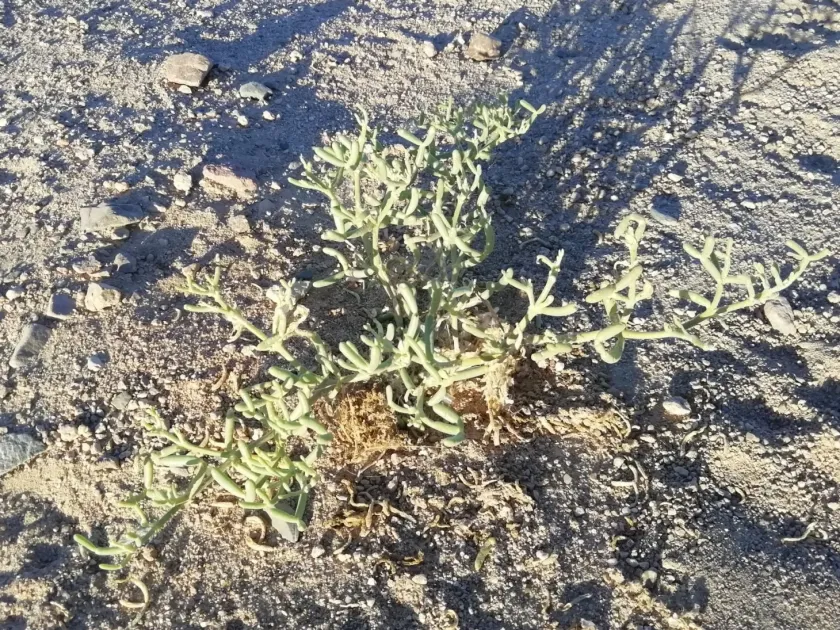
Description
Sowing dates
Tetraena coccinea is a resilient shrub belonging to the Zygophyllaceae family, native to arid environments. In its natural habitat, germination is triggered by seasonal precipitation, which temporarily leaches salts from the surface soil.
When cultivating this species, seeding should be aligned with the onset of the rainy season. This timing provides the necessary moisture for seeds to germinate and for the root system to establish itself before the intense summer heat begins.
Seeds should be sown at a very shallow depth. Given their small size, they require adequate light to break dormancy and emerge successfully. Surface broadcasting followed by light rolling is the most effective approach.
In large-scale reclamation projects, seed pre-treatment such as mild mechanical scarification can improve germination rates, as the seed coat of desert plants is often designed to withstand prolonged dry periods.
The spacing between plants must be managed based on the available soil water reserves. Overcrowding can lead to excessive competition, which limits the growth and survival of individual shrubs in extreme drought conditions.
Growing requirements
This plant is a specialized halophyte and xerophyte, perfectly adapted to saline and arid landscapes. It thrives in soils with high concentrations of chlorides and sulfates where few other crops can survive.
The species requires high solar irradiance and thrives in temperatures ranging from 25 to 45 degrees Celsius. Its physiological adaptations include succulent leaves that store moisture and help regulate internal water balance.
Soil requirements are minimal regarding fertility, as Tetraena coccinea is adapted to poor, rocky, or sandy substrates. However, it requires well-draining soil to prevent root asphyxiation during the rare but heavy rain events.
It is remarkably tolerant to strong winds and abrasive dust, making it an excellent candidate for windbreaks and living barriers in desertification-prone areas.
The plant demonstrates high efficiency in nutrient uptake from nutrient-poor environments, maintaining a stable biomass even when soil chemical properties are suboptimal for conventional crops.
Yield
The biomass yield of Tetraena coccinea is highly dependent on rainfall distribution. In good years, it can provide significant quantities of foliage that serves as a vital fodder resource for livestock.
When managed as a range plant, regular but controlled pruning stimulates secondary growth, increasing the density of the shrub and the overall availability of forage.
The nutritional profile of the plant remains relatively stable across seasons, which is a major advantage for pastoralists who rely on it as a buffer during seasonal shortages of other grasses.
In controlled experiments, yield improvements have been observed with light fertilization using essential micronutrients, though this is rarely feasible in extensive open-field cultivation.
Long-term productivity is high due to the plant's perennial nature and longevity. Sustainable harvest practices ensure that the plant continues to produce biomass for many years without the need for reseeding.
Main diseases and pests
Tetraena coccinea possesses a potent chemical defense system, including secondary metabolites that deter many common herbivores and insects, resulting in low susceptibility to typical agricultural pests.
Rodents are the most significant threat, particularly during the early stages of seedling establishment. Protecting young plantations with mesh or natural barriers is often necessary to prevent significant plant loss.
Fungal diseases are rarely an issue, occurring only in conditions of excessive soil moisture or poor ventilation. Maintaining adequate spacing between plants significantly reduces the risk of such infections.
The primary threat to existing populations is overgrazing by uncontrolled livestock herds. Trampling and over-consumption of terminal buds can lead to the death of the plant and degradation of the surrounding soil.
Monitoring the environmental conditions and preventing unsustainable land-use practices are the best ways to keep the plant healthy and productive over its long lifespan.
Harvesting
Harvesting for fodder or industrial purposes should be performed using selective cutting techniques. Removing only a portion of the aerial biomass ensures the plant's survival and supports rapid regrowth.
The optimal harvest time is at the end of the active growing season, just before the plant begins its dormancy phase. This ensures the maximum accumulation of nutrients in the harvested tissue.
After collection, the plant material must be dried in shaded, ventilated areas. Direct exposure to sunlight should be avoided to prevent the degradation of heat-sensitive compounds within the plant.
Storage requires dry conditions to prevent mold growth, which could degrade the quality of the fodder or medicinal raw material. Baling the dried material is a standard practice to facilitate transport.
Sustainability is the key to the harvest process. By strictly following cutting cycles that allow for full recovery, growers can maintain highly productive desert plantations for decades.