
Syngonium wendlandii
Syngonium wendlandii
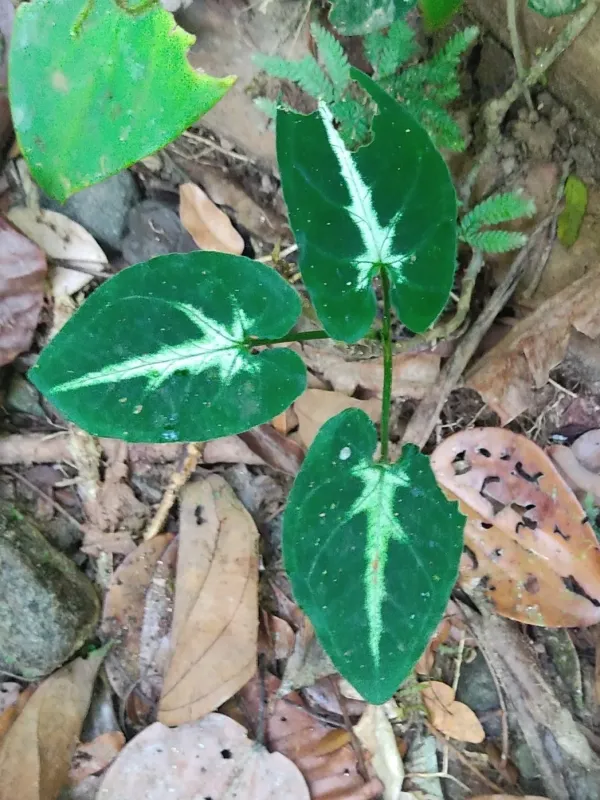
Description
Growing requirements
Syngonium wendlandii is a striking foliage plant belonging to the Araceae family. Originally native to the rainforests of Costa Rica, this species is highly valued in horticulture for its distinct velvet texture and aesthetic appeal, making it a staple in tropical plant collections.
The botanical structure of the plant features arrow-shaped leaves with a deep, dark green velvety surface contrasted by a brilliant silver central vein. As a climbing vine, it requires vertical support to reach its full potential, though it can also be kept as a compact specimen with regular pruning.
To cultivate this plant successfully, one must provide bright, indirect light to protect its sensitive foliage from scorching. The ideal temperature range is between 20°C and 25°C, ensuring that the environment remains stable without significant drafts or sudden cooling, which could inhibit growth.
The soil requirements are specific: the substrate must be airy, porous, and slightly acidic to facilitate healthy root respiration. A mix consisting of peat moss, perlite, and orchid bark is highly recommended to maintain adequate moisture levels while preventing the risk of root compaction.
Regular watering is essential during the active growing season, allowing the top portion of the soil to dry out slightly between waterings. Given its tropical origins, high ambient humidity is crucial; consistent misting or the use of pebble trays helps preserve the lush appearance of the velvet leaves.
Main diseases and pests
The primary pests affecting this species are spider mites and mealybugs, which thrive in low-humidity environments. Integrated pest management, including regular inspection and the use of insecticidal soaps or neem oil, is necessary to keep the plant healthy and free from infestations.
Root rot remains the most significant threat to plant health, typically caused by waterlogged soil conditions. Symptoms include wilting leaves and dark, mushy stems; prevention relies on using well-draining pots and avoiding over-irrigation during the dormant months of the year.