
Syngonium angustatum
Syngonium angustatum
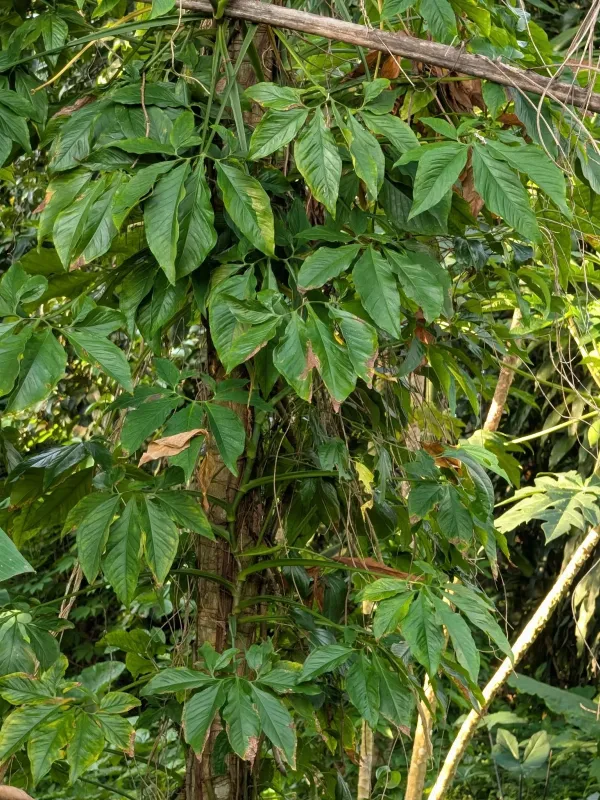
Description
Growing requirements
Syngonium angustatum is a prominent species within the Araceae family. Originating from the tropical rainforests of Central and South America, this perennial evergreen vine is widely recognized for its distinct, narrowly shaped leaves.
The crop thrives in warm environments with ambient temperatures ranging between 20°C and 25°C. It is highly sensitive to cold drafts and sudden temperature fluctuations, which can severely impact the vitality and growth rates of the plant.
Proper light management is critical for this species. It prefers bright, indirect sunlight to maintain its foliage structure and vibrant coloration. Prolonged exposure to intense, direct sun can cause irreversible leaf scorch and dehydration.
Soil requirements dictate the use of a well-draining, nutrient-rich substrate. A mixture of peat, perlite, and pine bark is recommended to provide sufficient aeration and moisture retention, ideally maintaining a slightly acidic pH level.
Agrotechnical maintenance includes consistent watering practices. The growing medium should remain moist but never waterlogged. High atmospheric humidity is essential, and regular misting or the use of humidifiers helps mimic the plant's native tropical habitat.
Main diseases and pests
Spider mites are the most common pests affecting the crop, particularly in low-humidity conditions. These mites feed on leaf juices, causing yellow speckling and eventual leaf drop if left uncontrolled.
Mealybugs and scale insects represent secondary threats. These pests typically cluster along the stems and undersides of leaves. Integrated pest management, including systemic insecticides and mechanical removal, is effective in keeping populations low.
Root rot remains the most significant disease-related risk, primarily caused by poor drainage or excessive watering. Prevention involves using pots with sufficient drainage holes and allowing the top layer of the soil to dry out between waterings.
Nutrient deficiencies often manifest as chlorosis or stunted leaf development. Applying a balanced liquid fertilizer during the active growing season helps ensure adequate supply of macro- and micronutrients for optimal health.
Regular sanitation of the plant canopy, including the removal of senescence-damaged foliage, is vital. Keeping the plant free from debris prevents the accumulation of pathogens and promotes vigorous development of new shoots.