
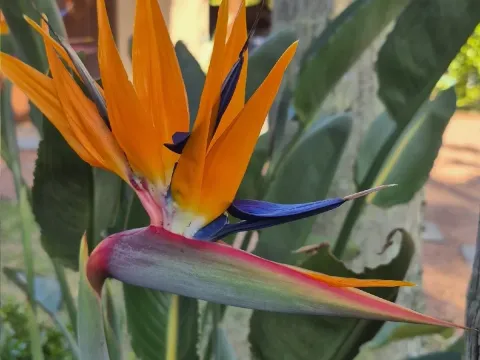
Strelitzia
Strelitzia Ait.
Strelitzia is propagated primarily through seeds or vegetative division of the root system. Fresh seeds are essential for high germination rates as their viability decreases rapidly.
What the section contains

Strelitzia
Seeds are sown in a light, well-draining substrate composed of peat and sand. A controlled temperature of 25–27 degrees Celsius is required for successful germination.
The seeds should be planted at a depth of 1–1.5 centimeters. It is crucial to maintain constant soil moisture while ensuring the medium does not become waterlogged.
Germination can be quite slow and irregular, often spanning from one to six months. Seedlings are transplanted into individual containers once two true leaves have developed.
Vegetative division is an alternative method performed during spring repotting, allowing for faster establishment of mature, blooming plants.
Strelitzia is a perennial herbaceous plant belonging to the Strelitziaceae family, native to the diverse landscapes of Southern Africa.
This crop thrives in bright, diffused light. While it loves the sun, protection from intense midday heat is necessary in greenhouse environments to prevent leaf scorch.
A fertile, neutral to slightly acidic soil with excellent drainage is vital. The plant is highly sensitive to root asphyxiation caused by stagnant water.
Regular irrigation is required during the active growth phase, followed by a cooler resting period of 14–16 degrees Celsius to stimulate flower bud initiation.
Balanced fertilization with macro and micronutrients during the growing season significantly enhances plant vigor and the quality of the inflorescences.
Commercial yield depends heavily on the age of the plant and the management practices employed. Seed-grown plants typically begin their reproductive cycle in 4–6 years.
Mature, well-maintained specimens can produce between 5 and 10 high-quality inflorescences annually. Yield consistency relies on precise climate control.
Harvesting is timed when the lowest floret in the inflorescence begins to open, which is the optimal stage to ensure maximum post-harvest vase life.
Strelitzia production is primarily aimed at specialized cut-flower markets, where it is highly valued for its unique architectural appearance.
Intensive horticultural practices, including supplemental lighting and regulated nutrient regimes, are utilized to maximize the quality of the harvested stems.
Typical pests affecting Strelitzia include scale insects, spider mites, and mealybugs, which can significantly impair the plant's aesthetic and commercial value.
Poor water management often leads to fungal infections such as root rot, commonly caused by Fusarium or Phytophthora pathogens.
Preventative strategies include strict adherence to irrigation protocols, maintaining greenhouse sanitation, and regular monitoring for early signs of infestation.
Pest management relies on the integrated use of systemic insecticides and acaricides, while fungal issues are addressed through targeted fungicide applications.
Sanitary pruning of damaged or senescing foliage is an essential practice to reduce the risk of secondary infections within the greenhouse canopy.