
Strelitzia reginae
Strelitzia reginae Aiton
Description
Sowing dates
Propagation of Strelitzia reginae is most effectively achieved through division of established clumps. This process should be undertaken during the spring season when the plant begins its active growth phase, ensuring minimal disruption to the root system.
Seed propagation is possible but requires high-quality, fresh seeds, which must be scarified to improve germination rates. Seeds should be sown in a well-draining, sterile medium kept at a constant temperature of 25 degrees Celsius.
Germination is a slow process that can take up to several months. Maintaining high humidity and consistent soil moisture during this stage is vital for the successful development of seedlings.
Once seedlings have developed at least two or three true leaves, they should be carefully transplanted into individual pots. They require bright, indirect light to develop a robust root system and strong foliage.
Cultivators must be aware that plants grown from seeds will take several years, often up to five or more, before they reach sufficient maturity to produce their first iconic flowers.
Growing requirements
As a member of the Strelitziaceae family, Strelitzia reginae thrives in bright, direct sunlight. Providing sufficient light is the most important factor in promoting healthy foliage development and consistent annual blooming.
The plant requires a temperature range of 20 to 25 degrees Celsius during the growing season. A cooler period, with temperatures around 12 to 15 degrees, is essential in winter to stimulate the development of floral buds.
Watering practices should focus on keeping the soil consistently moist but never waterlogged. It is crucial to allow the top inch of soil to dry out between waterings to prevent root rot and other moisture-related diseases.
Humidity levels should be maintained between 60 and 70 percent. Regular misting or the use of humidifiers can significantly improve the growth performance of the plant, especially in controlled indoor environments.
Soil requirements include a rich, well-draining mix, typically consisting of loam, compost, and coarse sand. Excellent drainage is non-negotiable, as the fleshy roots are highly susceptible to decay in stagnant water conditions.
Main diseases and pests
Scale insects are a primary threat to Strelitzia reginae, often found clustered along the leaf veins and stems. These pests weaken the plant by feeding on sap and excreting a sticky residue that can lead to sooty mold.
Spider mites can become problematic if the indoor environment becomes too dry. Infestations are typically identified by the presence of fine webbing and stippling on the leaves, which can cause significant tissue damage.
Fungal root rots, such as those caused by Fusarium species, can develop if the substrate is kept too wet or lacks adequate aeration. This condition is often lethal if not detected and treated early.
Mealybugs are another common pest, preferring the sheltered areas between leaf bases. Regular inspection of these crevices is necessary to detect and remove infestations before they spread across the plant.
Effective pest management relies on a combination of good sanitation, proper environmental control, and the judicious use of horticultural soaps or systemic insecticides when outbreaks are severe.
Harvesting
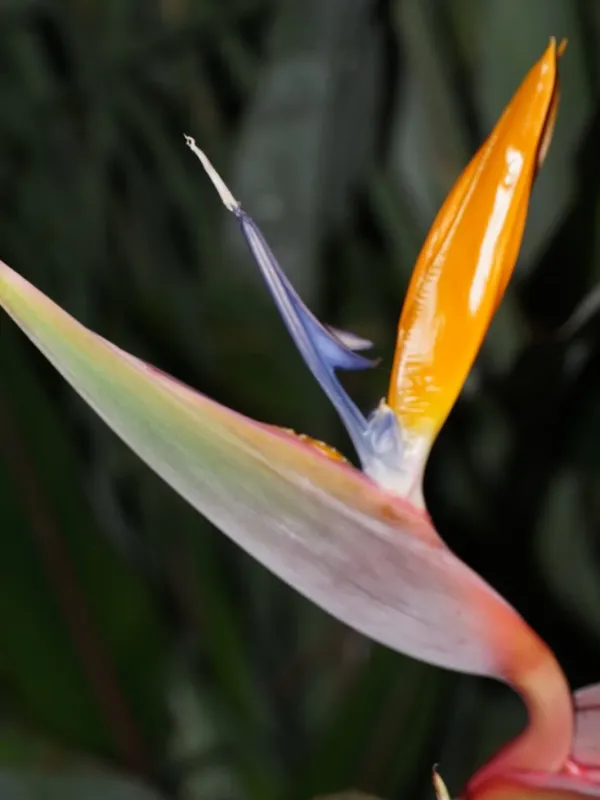
Harvesting Strelitzia flowers is best performed when the first petal emerges from the spathe. At this stage, the flower is fully formed and will continue to open over the following days in a vase.
Floral stems should be cut at the base of the plant using a sanitized, sharp blade. Care must be taken not to damage the surrounding foliage or emerging buds to ensure future production levels remain high.
For optimal post-harvest life, flowers should be placed in clean, cool water immediately after cutting. They are highly valued in the floristry industry for their extreme durability and long vase life of up to two weeks.
Productivity varies significantly based on the maturity of the plant and the intensity of light received. A healthy, mature specimen can produce multiple flower spikes during a single blooming season.
Following the harvest, it is recommended to apply a balanced fertilizer to support the plant's recovery. Removing spent flower stalks allows the plant to redirect its energy into vegetative growth for the following season.