
Stachyurus salicifolius
Stachyurus salicifolius
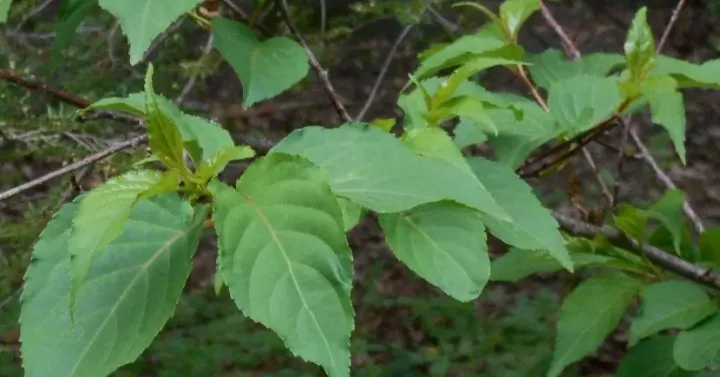
Description
Growing requirements
Stachyurus salicifolius is a unique species of the Stachyuraceae family, prized for its elegant, willow-like foliage and pendulous racemes of flowers. Native to the mountain forests of China, it thrives in protected, cool-temperate environments.
The plant requires fertile, well-draining, and slightly acidic soil to flourish. It performs best in spots with partial shade, as intense afternoon sun can scorch the delicate leaves during the peak of the summer heat.
Climate requirements for this species include consistent moisture and protection from harsh, drying winds. While it is hardy in many zones, cold-prone areas may require winter protection for young specimens to ensure the survival of floral buds.
Cultivation practices involve regular mulching with organic matter such as pine bark or compost. This practice maintains soil acidity, retains moisture, and provides essential nutrients to the shallow root system throughout the growing season.
In landscaping, Stachyurus salicifolius serves as an excellent ornamental feature. It is frequently employed in woodland-style gardens or as a specimen shrub, providing interest early in the season when its racemes hang gracefully from the bare or leafing branches.
Main diseases and pests
The most significant threats to plant health include root rot, often caused by waterlogged soil conditions. Ensuring proper drainage and avoiding over-irrigation are critical steps in managing these fungal issues.
Pest problems typically involve aphids and spider mites, which can infest the foliage during periods of low humidity. Monitoring the plant for early signs of infestation is essential for maintaining aesthetic quality and plant vigor.
Control measures for pests include the use of horticultural oils or insecticidal soaps, which are effective while being relatively safe for the environment. Chemical treatments should be applied only when necessary to avoid harming beneficial insects.
Fungal diseases like leaf spot may appear if the air circulation around the shrub is poor. Pruning techniques that improve light penetration and airflow are effective cultural controls against these types of pathogens.
Nutritional stress, indicated by yellowing leaves or stunted growth, may require soil testing. Adjusting the pH or applying micronutrients will often correct these symptoms and restore the plant's health within a growing season.